
A guide to the most authentic Spanish sweets to try at once
Imagine wandering through a sun-drenched plaza in Seville, where the air smells of caramelised sugar and toasted almonds.
Once you are home, you want to recreate those delicious Spanish desserts, but feel overwhelmed and don’t know how to start.
In this post, we show off authentic Spanish sweets that define the country’s culinary regions.
We will fix your baking frustrations by focusing on time-honored methods and simple pantry staples.
You, dear reader, support this blog. If you purchase through a link, we earn a small commission. As an Amazon Affiliate, we earn from qualifying purchases.
Pssst…!!?? You can’t get enough of Spanish recipes? Have a look at my other posts:
1. Tarta de Santiago
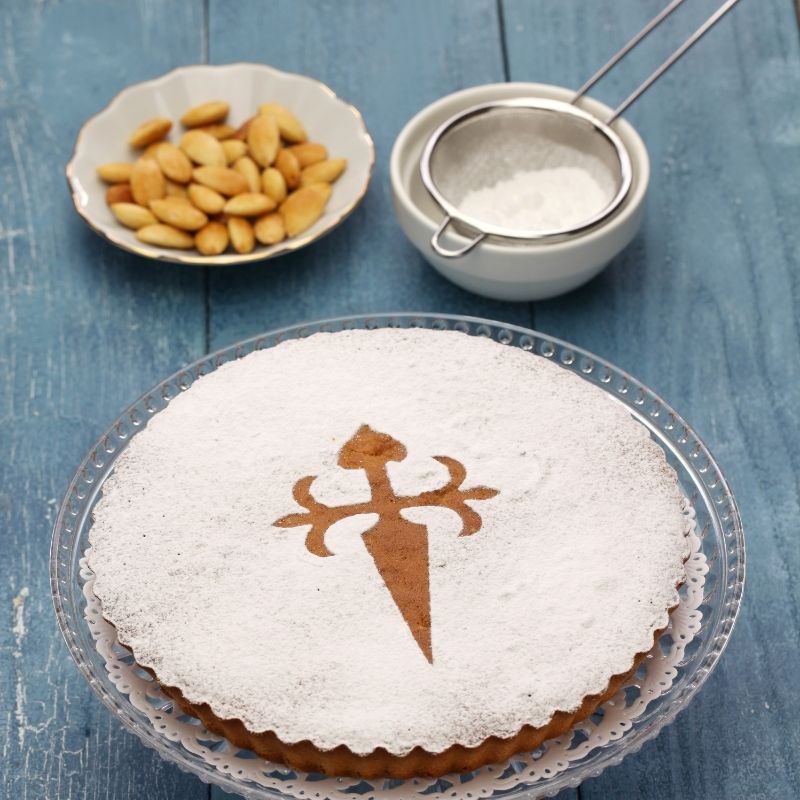
Hailing from Santiago de Compostela, this iconic almond cake is a cornerstone of traditional Spanish desserts recipes.
Its history dates back to the Middle Ages, following the introduction of almond cultivation by the Moors, and it remains one of the most popular Spanish sweets today.
The Spanish almond cake recipe relies on a simple, naturally gluten-free base of ground almonds, eggs, and sugar.
This results in a dense, moist texture, famously decorated with a powdered sugar dusting that reveals the Cross of Saint James.
As a staple of authentic Spanish sweets, this dessert is a favorite in both family homes and gourmet restaurants.
It is also a celebrated tradition for pilgrims on thecamino de Santiago, who enjoy a slice as a rewarding conclusion to their long journey.
Get the recipe: Tarta de Santiago
2. Crema Catalana
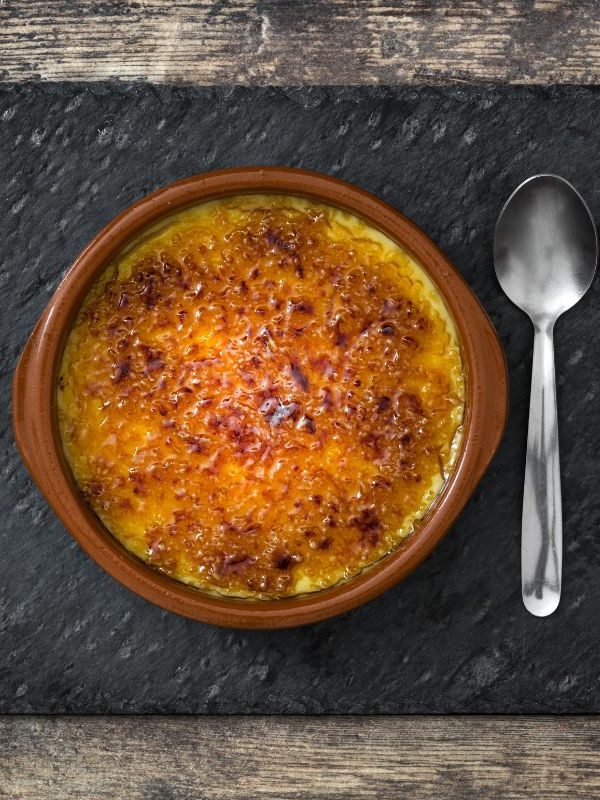
Originating in the Catalonia region, crema catalana is a masterpiece among authentic Spanish sweets that stands apart from its French counterparts.
While often compared to crème brûlée, this dessert establishes its own unique profile by using a milk base instead of heavy cream, infused with the bright, aromatic notes of cinnamon and citrus zest.
Classic Spanish sweet recipes for this Crema Catalana are surprisingly approachable for home cooks, requiring a milk-based custard to be gently thickened on the stovetop.
This method results in a silky consistency that has made the dish a staple of Mediterranean gastronomy for centuries.
Traditionally served in a shallow clay dish known as a cazuela, the dessert is finished just before serving with a generous layer of sugar.
This topping is torched until it transforms into a signature glass-like, crackling crust, making it one of the most beloved Spanish sweets for special occasions.
Get the recipe: Crema Catalana
3. Churros con Chocolate
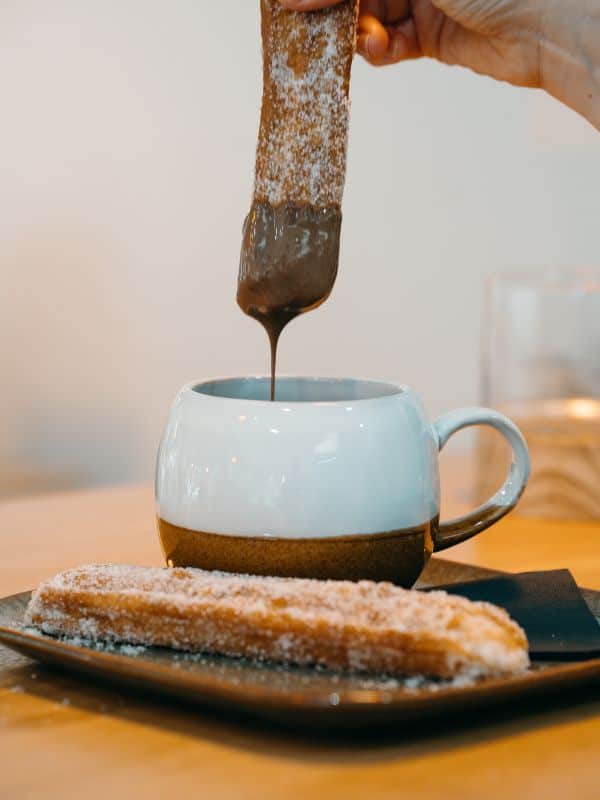
Churros with chocolate sauce are some of the most popular traditional Spanish sweets.
These golden, fried pastries represent some of the most iconic Spanish sweet recipes, offering a crispy texture that pairs perfectly with the country’s famously thick and indulgent hot chocolate.
To prepare this treat, a simple dough of flour, water, and salt is piped through a star-shaped nozzle into hot oil until golden-brown, then served alongside a stovetop-thickened chocolate ganache.
This pairing is especially popular during the brisk winter months, providing a much-needed sense of warmth.
Get the recipe: Best Churros
4. Flan
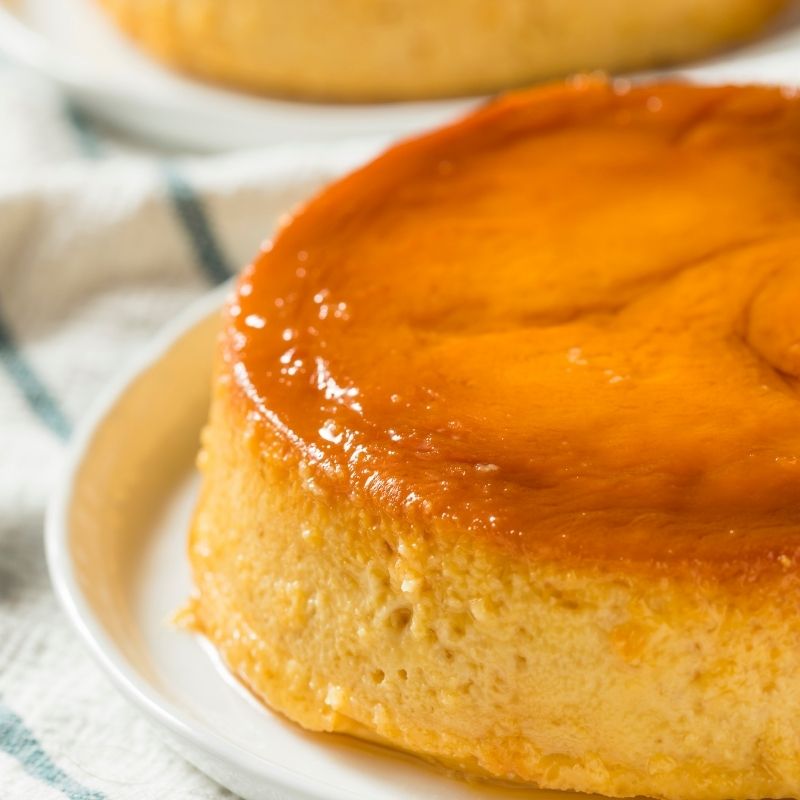
If you visit any restaurant offering a menú del día in Spain, you will almost certainly find authentic Spanish sweets like flan topping the menu.
This Spanish flan recipe is a cornerstone of Spanish pastries and sweets due to its elegant simplicity, requiring only a few basic pantry staples: eggs, milk, and sugar.
The true magic of the dish lies in the caramelo, where sugar is melted into a deep amber liquid and poured into the base of a mold.
After being baked gently in a water bath and thoroughly chilled, the flan is inverted to reveal a silky, shimmering caramel topping.
Get the recipe: Spanish Flan Recipe
5. Leche Frita
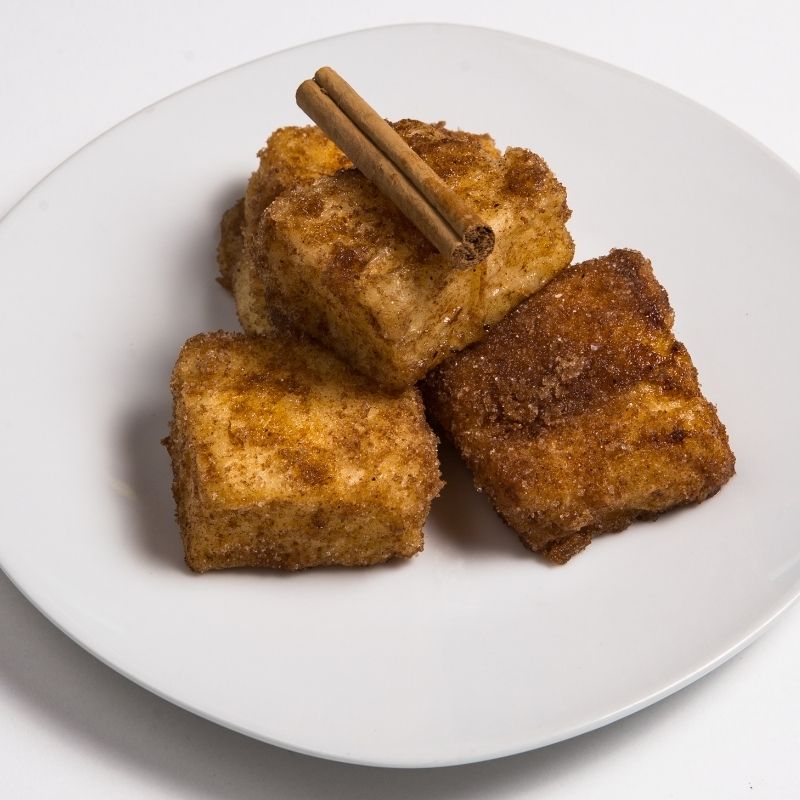
Leche frita recipe is a timeless classic from northern Spain, particularly within the regions of Castilla y León and Cantabria.
While its exact origins remain a bit of a mystery, it is widely considered one of the most ingenious homemade Spanish sweets, likely created by resourceful nuns in convent kitchens to make use of surplus milk.
This dish is one of those famous Spanish sweets that transforms simple ingredients into something extraordinary.
To create it, milk is simmered with cinnamon sticks and lemon zest to form a thick, luscious custard.
Once its’s set into a firm block, it is sliced into squares, coated in flour and egg, fried until golden, and finished with a generous dusting of cinnamon sugar.
Get the recipe: Leche frita recipe
6. Polvorones
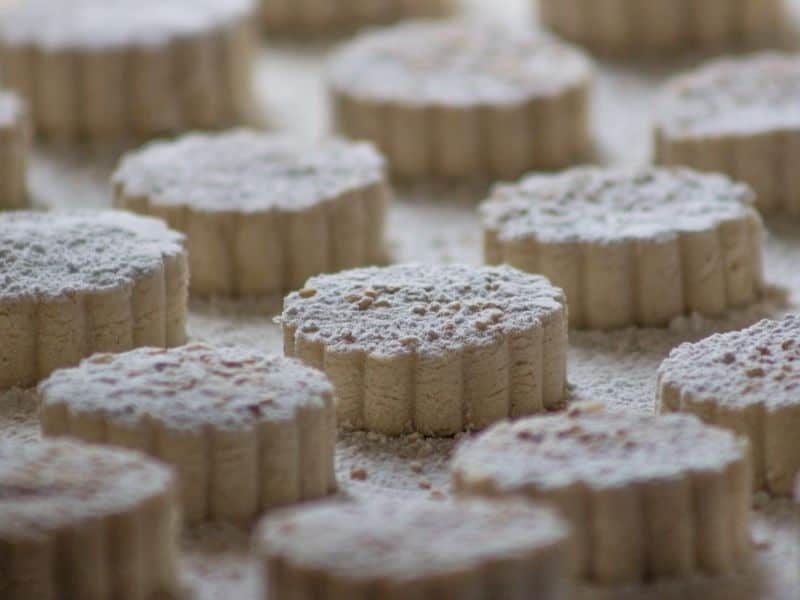
Polvorones are among the most iconic Spanish bakery desserts, appearing almost exclusively during the festive winter season.
These unique, crumbly cookies are a centerpiece of Christmas and New Year’s Eve celebrations, cherished for their delicate texture and diverse flavor profiles, ranging from traditional anise to chocolate, lemon, and almond.
While they are quite calorie-dense due to the traditional use of pork lard, their melt-in-your-mouth quality makes them an irresistible holiday staple.
They are also excellent examples of easy Spanish sweet recipes that can be mastered at home.
To prepare them, simply combine toasted, ground almonds with flour, cinnamon, sugar, and lard to create a soft, fragrant dough.
This dough is rolled out and shaped into thick rounds. Then, you just need to bake it for approximately 20 minutes at 120°C.
Get the recipe: How to Make Polvoron
7. Yemas de Santa Teresa
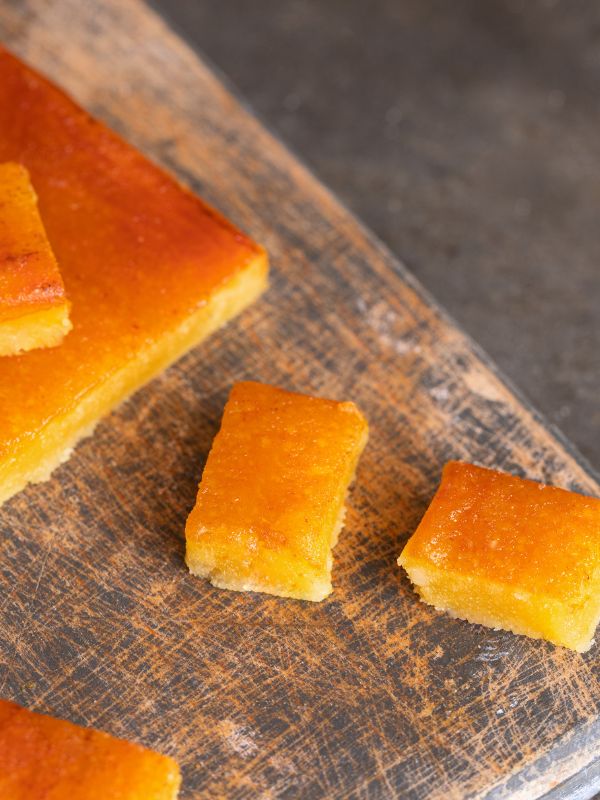
No visit to the medieval walled city of Ávila is complete without tasting yemas, a true jewel among authentic Spanish dessert recipes.
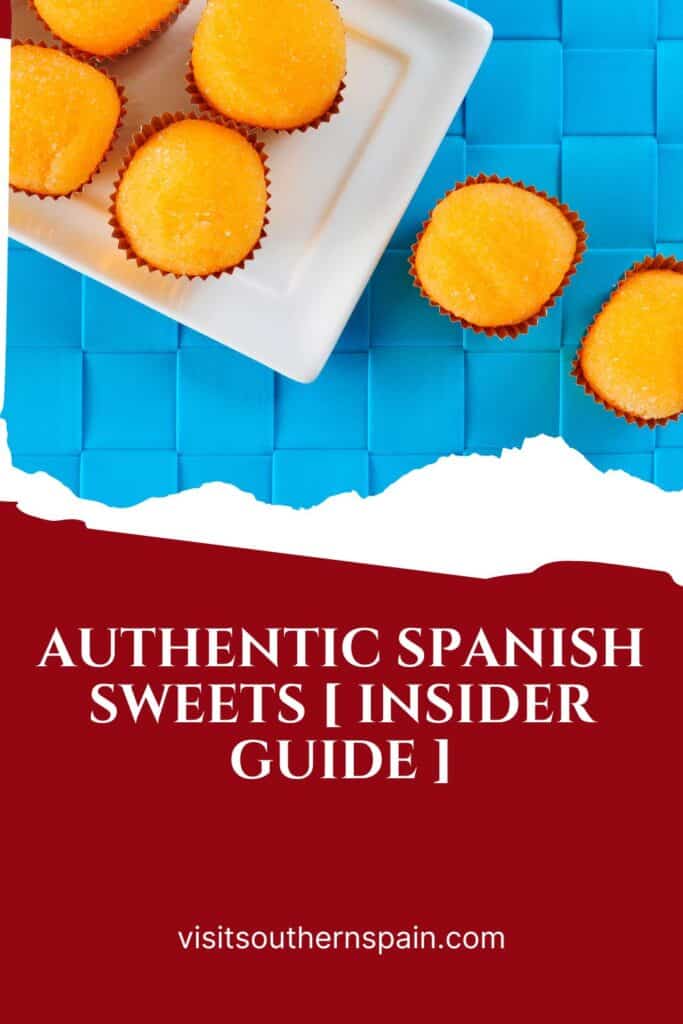
Named in honor of Saint Teresa of Ávila, these small, vibrant orange spheres have been a specialty of the Flor de Castilla bakery since 1860, marking them as one of the best Spanish sweets to try for any culinary traveler.
The preparation of Yemas de Santa Teresa is deceptively simple yet requires expert precision.
The egg yolks are gently cooked with a lemon-scented sugar syrup until they thicken into a smooth, malleable paste.
Once cooled, the mixture is carefully hand-rolled into delicate balls and finished with a fine coating of icing sugar.
The result is an incredibly rich confection that melts instantly on the tongue, delivering an intense and unforgettable custard flavor.
Get the recipe: Yemas de Santa Teresa
8. Torrijas
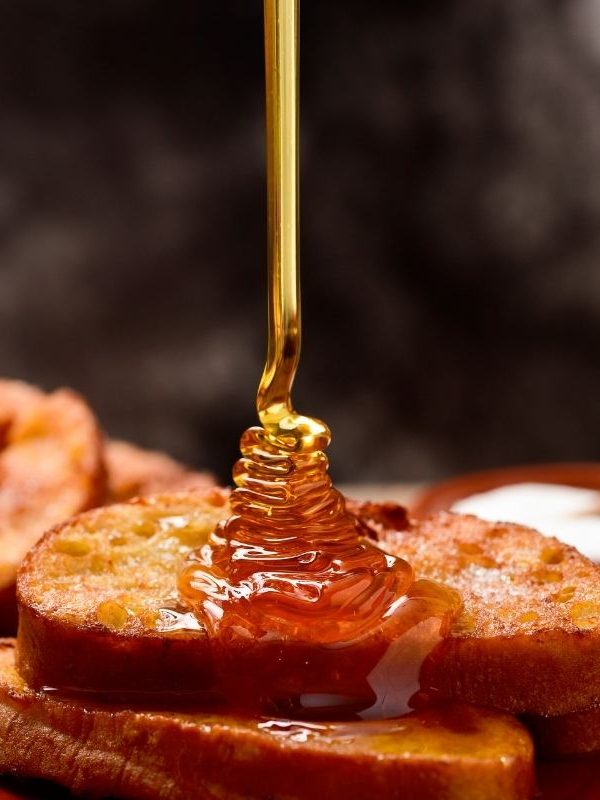
Torrijas are a hallmark of authentic Spanish sweets, most commonly prepared and enjoyed during the Easter season.
While they are essentially the Spanish counterpart to French toast, they are treated strictly as a dessert rather than a morning breakfast item.
The preparation involves soaking thick slices of bread in a spiced, infused milk, dipping them in beaten egg, and frying them until golden brown.
They are then either drenched in warm honey or generously coated in cinnamon sugar, making them one of the most comforting Spanish sweets to make at home.
Unlike their warm breakfast cousins, torrijas are traditionally eaten cold.
This cooling process allows the honey or sugar to settle, creating an incredibly sticky, delicious glaze that makes this seasonal treat entirely irresistible.
Get the recipe: Recipe for torrijas
9. Pestiños
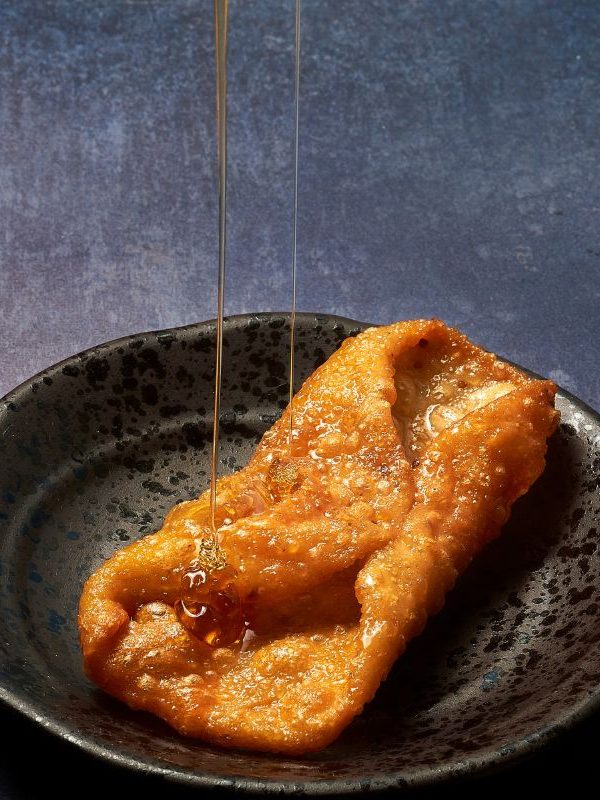
Pestiños are a traditional Andalusian delicacy closely related to the Moroccan chebakia, beautifully showcasing Spain’s deep historical and culinary ties to North Africa.
As a staple among popular Spanish sweets, these honey-glazed fritters are particularly beloved in the province of Cádiz and the city of Jerez.
The preparation begins with a fragrant dough flavored with aniseed, sesame, and dry white wine, which is then folded into a distinct, folded-handkerchief shape and fried to a perfect crunch.
Once crispy, these delightful Spanish sweet treats are submerged in warm honey or tossed in cinnamon sugar.
Get the recipe: Pestiños
10. Mantecados
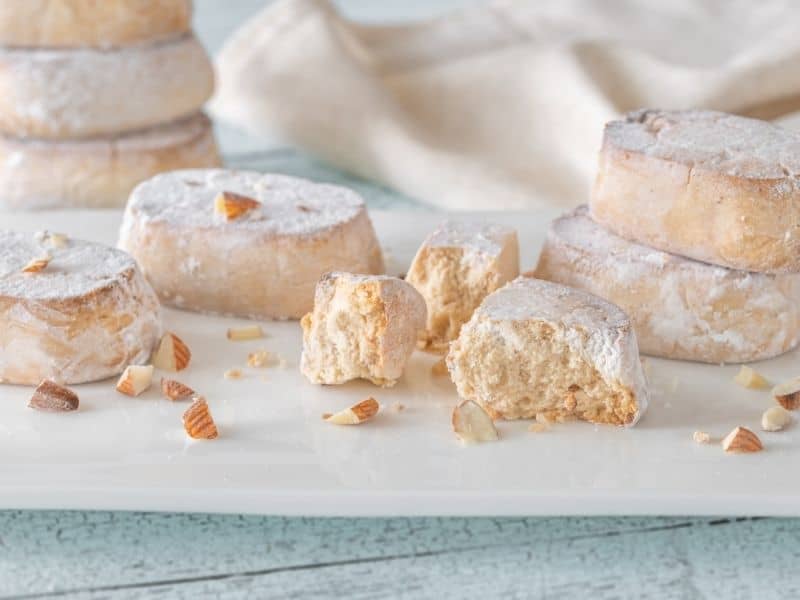
Mantecados are crumbly, lard-based shortbreads that originated in Andalusia during the 16th century, specifically in the town of Estepa, as an ingenious way to utilize surplus grain and pork fat.
Today, Mantecados stand as a holiday icon and are widely considered among the best traditional Spanish sweets to experience during the winter season.
The name of this delicacy comes from manteca (pork lard), which is the key component responsible for its unique, melt-in-the-mouth texture.
These treats are traditionally flavored with cinnamon, sesame seeds, or lemon zest, and each cookie is wrapped in colorful tissue paper to protect its delicate, powdery structure.
For anyone exploring authentic Spanish sweets recipes to recreate the magic of a Spanish winter at home, mastering these shortbreads is a must.
Get the recipe: Mantecados
11. Fartons
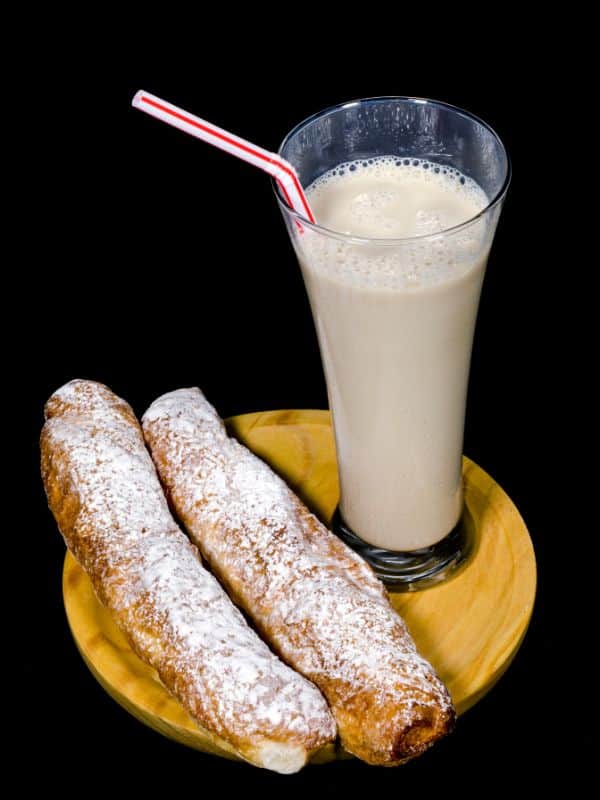
Fartons are the essential companion to a cold glass of horchata, making this pairing a fundamental part of the Valencian merienda, or afternoon snack, during the scorching summer months.
While horchata is enjoyed year-round, these specific pastries shine during local summer festivals and lively gatherings, establishing themselves as delightful Spanish sweets for special occasions.
They were designed in the 1960s by the Polo family to be long and spongy, tailored perfectly to be dipped into a tall glass of tiger nut milk.
The pastry itself is a light, elongated bun crafted from a simple dough of flour, milk, sugar, oil, and yeast, finished with a delicate sugar glaze.
For home bakers looking for easy authentic Spanish desserts, fartons are incredibly rewarding to bake.
Get the recipe: Fartons
12. Panellets
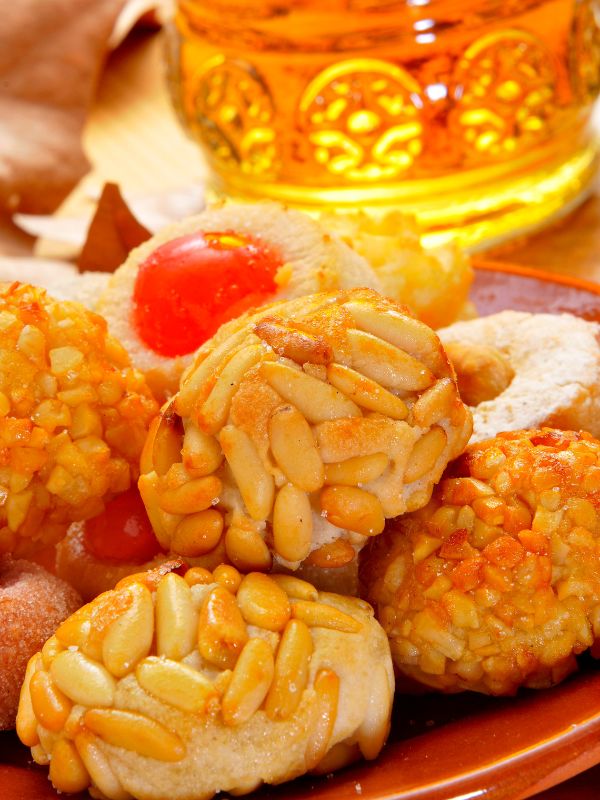
In Catalonia, panellets are the undisputed star of the Castanyada festival celebrated each November.
These small, round delicacies are crafted from a rich marzipan base of sugar and ground almonds, representing one of the region’s most cherished classic Spanish sweet recipes.
These highly sought-after, authentic Spanish sweets are traditionally rolled in pine nuts, which adhere to the marzipan base with the help of a light egg wash before being briefly baked.
While the pine nut version remains the timeless standard, you will also frequently find modern, flavorful variations infused with coffee, cocoa, or sweet potato.
Get the recipe: Panellets
13. Natillas de Leche
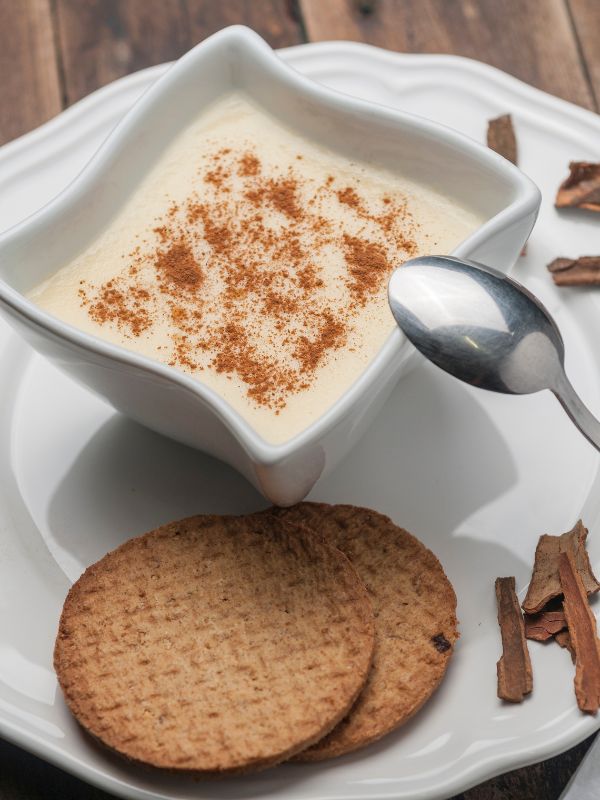
Natillas de leche are a true cornerstone of traditional Spanish sweets, loved across the country for their velvety texture and comforting warmth.
This classic egg custard is a staple in Spanish households, frequently served as an everyday homemade dessert or as a sweet conclusion to a traditional menú del día.
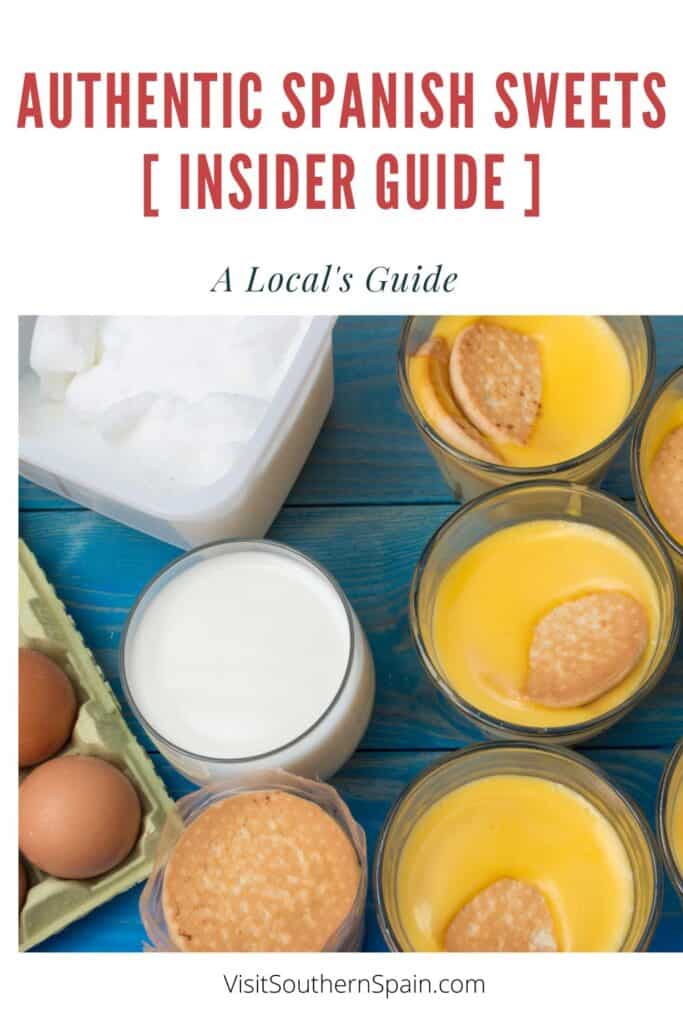
Among the most popular Spanish sweet recipes, natillas are remarkably straightforward to prepare, crafted by gently simmering milk with egg yolks, sugar, and cornstarch until a smooth, luscious cream forms.
The custard is traditionally infused with the aromatic notes of cinnamon and lemon zest, then poured into individual bowls, topped with a single Maria biscuit and a final dusting of ground cinnamon before chilling.
Get the recipe: Natillas de leche
14. Ensaimada
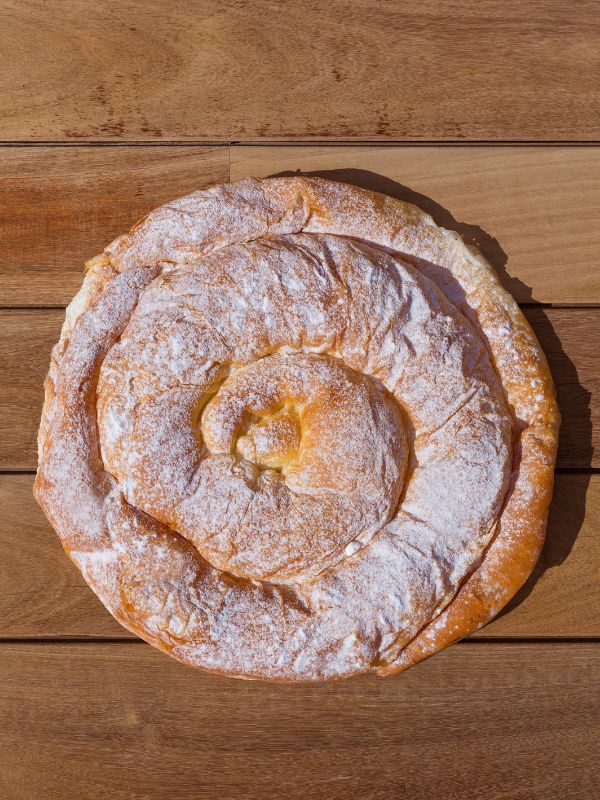
The iconic pastry of Mallorca, the ensaimada, is a light, spiral-shaped masterpiece made from a simple dough of flour, sugar, eggs, and lard.
Wandering the narrow streets of Palma early in the morning, you will inevitably encounter the irresistible aroma of ensaimada, making it clear why they are considered a cornerstone of authentic Spanish sweets.
Traditionally enjoyed as an essential breakfast pastry, it is elegantly dusted powdered sugar.
While delicious in its simplest form, the soft ensaymada recipe is also frequently found filled with rich whipped cream, decadent chocolate, or sweet pumpkin jam.
This delicate spiral is universally recognized as one of the ultimate classic Spanish desserts and a definitive must-try for anyone exploring the Balearic Islands.
Whether you are looking for a morning treat or an afternoon indulgence, it pairs beautifully with a hot cup of coffee or rich hot chocolate, offering a true taste of Mediterranean tradition.
Get the recipe: Soft ensaymada recipe
Short FAQ about Spanish sweets
What is Spain’s most famous dessert?
When exploring authentic Spanish sweets, the iconic flan stands out as the country’s most celebrated dessert.
This velvety egg custard, draped in amber caramel, remains a cherished staple among homemade Spanish sweets found in kitchens across the nation.
What are traditional Spanish sweets?
Traditional Spanish sweets encompass a rich variety of regional treats, ranging from crispy churros dusted in sugar to festive almond-based polvorones.
These authentic Spanish sweets reflect centuries of culinary heritage, offering a diverse array of Spanish pastries and sweets enjoyed for breakfast, afternoon snacks, or holiday celebrations.

Hola, I’m Paulina! Together with my team, we are passionate about Southern Spain. Here we share all you need to know for great times in Southern Spain with the best places to visit, stay and, of course, the best food to eat.
Let’s dive in and explore Southern Spain’s outdoors, food and culture con pasión!