

Do you want to try making homemade Spanish desserts that feel traditional yet effortlessly elegant?
With the Santiago cake, you found your ideal ally, perfect for any occasion.
This cake stands out for its soft yet gluten-free crumb, delicate sweetness, and unmistakable cross design that makes it instantly recognizable.
Keep scrolling down this article and you will learn how to make tarta de Santiago, along with practical tips on serving it properly and storing it so its flavor and texture stay just right.
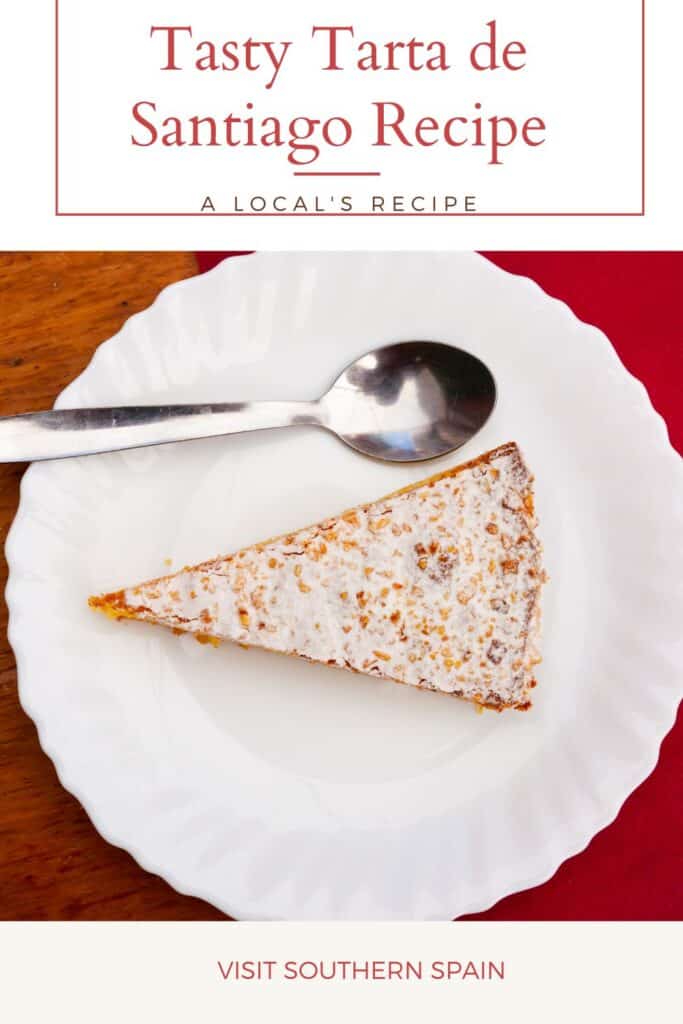
You, dear reader, support this blog. If you purchase through a link, we earn a small commission. As an Amazon Affiliate, we earn from qualifying purchases.
Pssst…!!?? You can’t get enough of Spanish dessert recipes? Have a look at my other posts:
Background of the Dish
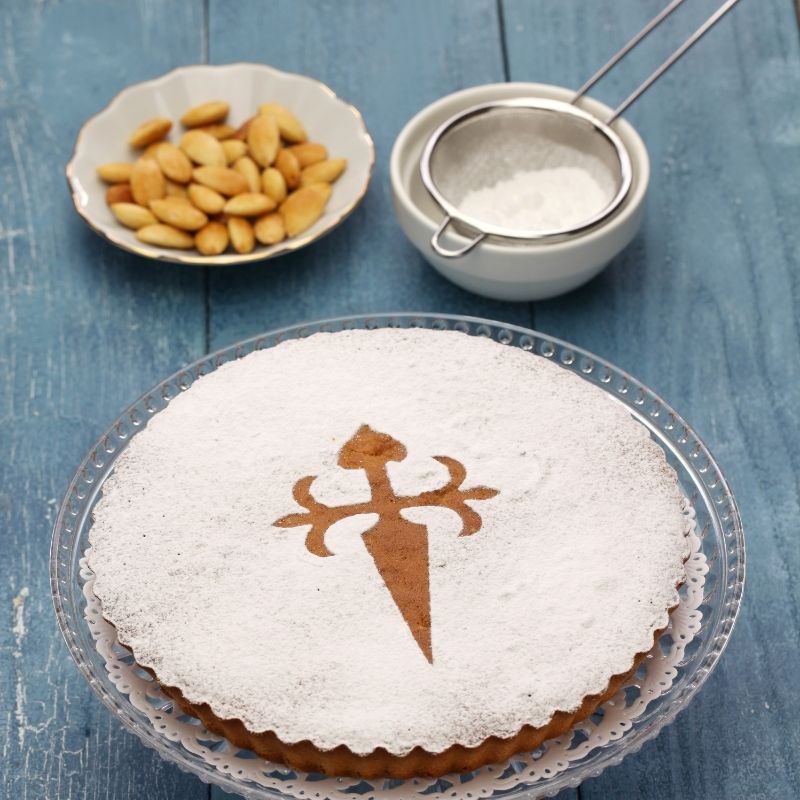
The tarta de santiago is a classic Spanish almond cake that highlights the country’s appreciation for simple ingredients transformed into deeply flavorful desserts.
Unlike more elaborate layered cakes or custard-heavy recipes, this cake relies on ground almonds, eggs, and sugar to create a moist, dense crumb.
This approach sets it apart from richer pastries like a Spanish caramel cake or citrus-forward options such as tarta de limon, while still holding a respected place in Spain’s dessert tradition.
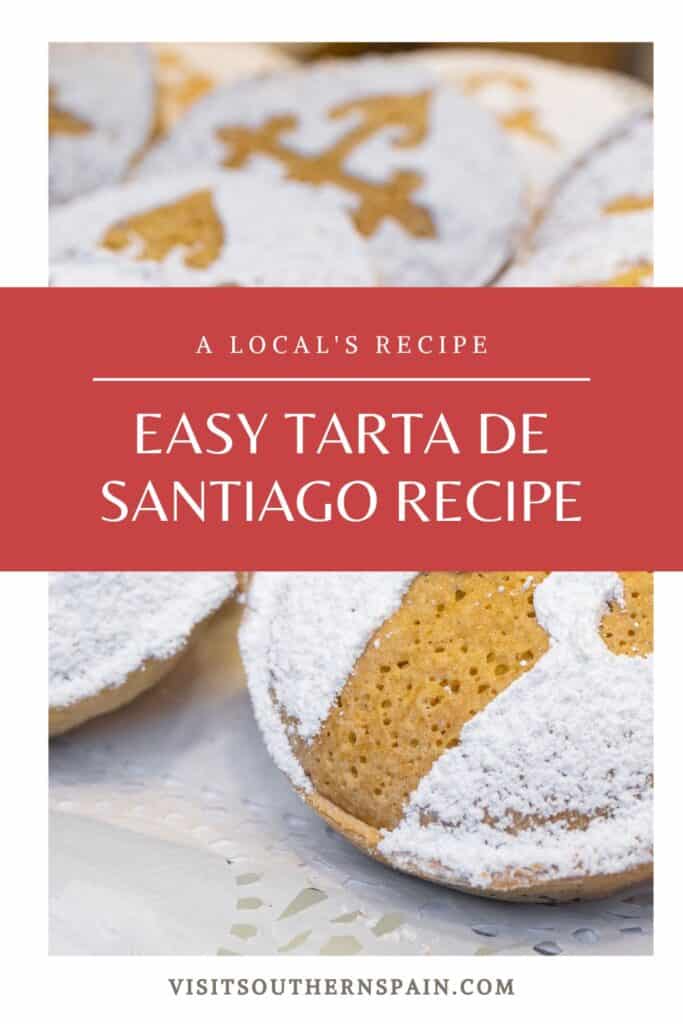
Pin for later!
Things You’ll Need for Tarta de Santiago
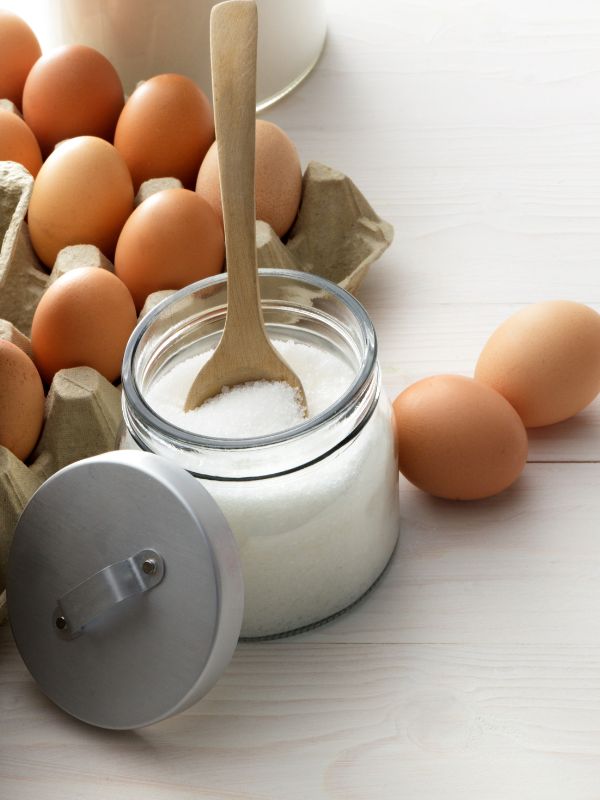
To prepare the traditional tarta de Santiago, you will need eggs, almond flour, sugar, and powdered sugar as the main ingredients.
No equipment is necessary beyond a round cake tin, and ideally a stencil with the Cruz de Santiago (called St. James Cross in some countries) for decorating the top.
Ingredients
- 2 cups (200–220g) almond flour (finely ground almonds)
- 1 cup (200g) granulated white sugar
- 4 large eggs
- 1 teaspoon lemon zest
- 1/2 teaspoon ground cinnamon (optional)
- 1 pinch of salt
- Powdered sugar for dusting
How to Make Tarta de Santiago – Step by Step Guide
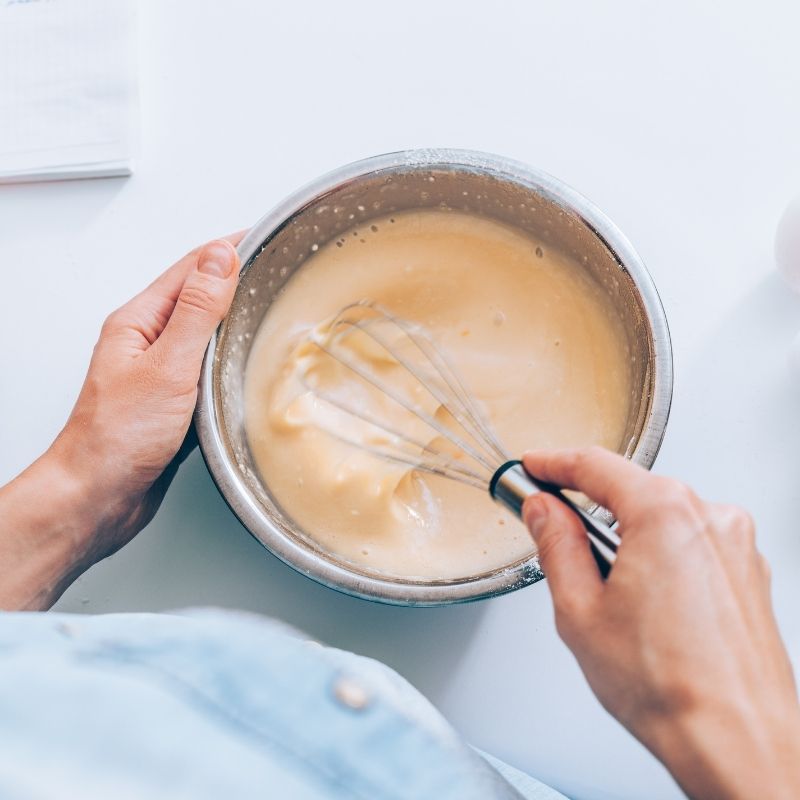
- To start with this Tarta de Santiago recipe, preheat your oven to 350°F (175°C). Lightly grease a round cake pan and line the base with parchment paper for easy removal.
- In a large bowl, combine the almond flour, sugar, salt, and ground cinnamon (if using). Mix well so the dry ingredients are evenly distributed.
- Then add the eggs one by one, stirring gently after each addition. Continue mixing until you obtain a smooth, thick batter.
- After that, add the lemon zest and stir again to incorporate the flavor evenly throughout the mixture.
- Now, pour the batter into the prepared cake pan and spread it evenly with a spatula. Tap the pan lightly on the counter to remove any air bubbles.
- Bake the tarta de Santiago for about 30 to 35 minutes, or until the surface is lightly golden and a toothpick inserted into the center comes out clean.
- Once baked, remove the cake from the oven and allow it to cool completely in the pan. This helps the cake set properly.
- Then, carefully remove the Spanish almond cake from the pan. Place a stencil on top and dust generously with powdered sugar. If you don’t have a stencil with the Cruz de Santiago or Saint James cross, simply sprinkle the powdered sugar evenly over the surface.
- For the final step, serve the Tarta de Santiago at room temperature. You can enjoy it on its own or paired with coffee or tea.
Substitution of Ingredients
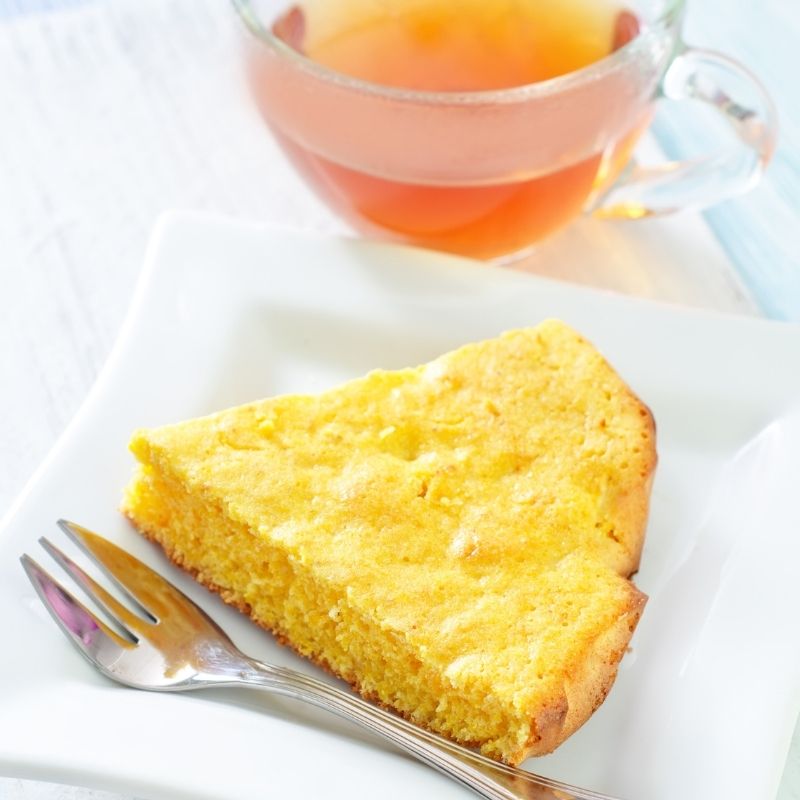
Something that we love about this easy tarta de Santiago recipe is that, like many traditional desserts, it allows for subtle variations without losing its Andalusian essence.
Some changes you can make to the ingredients of this Almond cake from Spain are related to adjusting the sweetness or aromatic notes.
For example, you can slightly reduce the sugar if you prefer a sweeter result, or modify the citrus profile by using orange zest instead of lemon zest.
To make sure that it stays a gluten-free Spanish almond cake, double-check the labels of the powdered sugar and cinnamon, and also clean the equipment properly to avoid cross-contamination.
If almond-based desserts are not your favorites, you can always explore other Spanish hidden gems, such as tarta san marcos, Spanish chocolate cake, or a light Spanish sponge cake.
Tips on Serving Tarta de Santiago
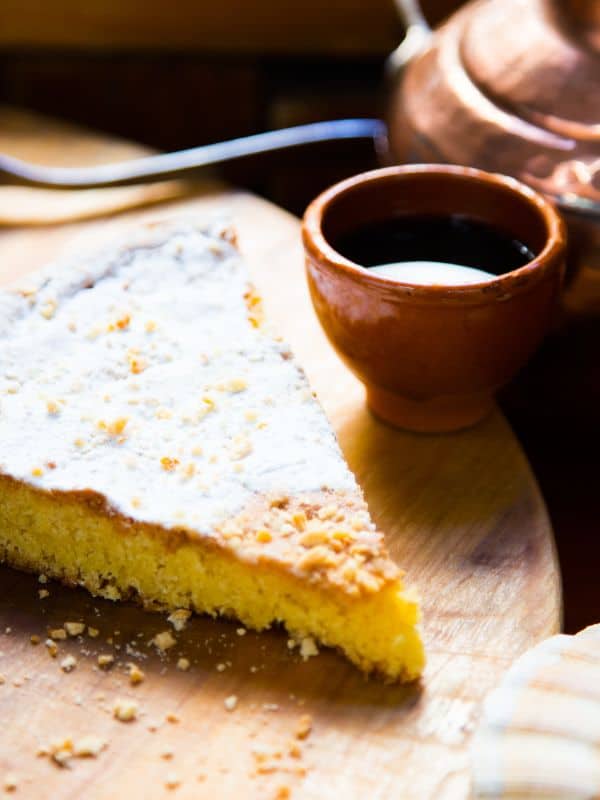
As soon as the Tarta de Santiago reaches room temperature, it will be ready to serve, though many people prefer to let it rest a little longer for cleaner slices and a more stable texture.
For an elegant finish, make sure the powdered sugar topping is added just before serving.
This keeps the surface looking fresh and prevents the sugar from dissolving into the cake and obscuring the definition of the cross.
Ideally, this tarta de Santiago should be cut into triangular slices, but you can make them thinner depending on how hungry you and your guests are.
Similar to other desserts like Spanish custard tarts, Spanish orange cake, or pumpkin spice flan cake, garnish it with fresh fruit or a few toasted almonds.
You can also elevate the flavors of this authentic tarta de Santiago recipe by serving it topped with salted caramel, chocolate syrup, or your favorite fruit jam.
How to Store Tarta de Santiago
The Classic Spanish almond cake is a fan favorite because you can store it and it will keep its flavor and texture intact for several days.
Before storing, make sure the cake has cooled completely, and once it has set, place it in an airtight container or cover it carefully to protect it from drying out or absorbing unwanted odors.
As an expert tip, you can gently cover it with plastic wrap as this helps maintain moisture and keeps the almond crumb tender as when it is freshly made.
If stored properly, it can last in the refrigerator for about 3 to 4 days, preserving its characteristic taste and structure.
Freezing for a couple of weeks is possible, although the texture may become slightly drier once thawed.
If you enjoy traditional Spanish desserts, you may also want to try other favorites such as Spanish apple cake, Spanish chocolate biscuit cake, or tarta de chocolate, all of which are equally delicious and suitable for making in advance.
Recipe Card: Tarta de Santiago
Tarta de Santiago Recipe
Do you want to try making homemade Spanish desserts that feel traditional yet effortlessly elegant?
With the Santiago cake, you found your ideal ally, perfect for any occasion.
This cake stands out for its soft yet gluten-free crumb, delicate sweetness, and unmistakable cross design that makes it instantly recognizable.
Learn how to make tarta de Santiago, along with practical tips on serving it properly and storing it so its flavor and texture stay just right.
Ingredients
- 2 cups (200–220g) almond flour (finely ground almonds)
- 1 cup (200g) granulated white sugar
- 4 large eggs
- 1 teaspoon lemon zest
- 1/2 teaspoon ground cinnamon (optional)
- 1 pinch of salt
- powdered sugar (for dusting)
Instructions
- Preheat your oven to 350°F (175°C). Lightly grease a round cake pan and line the base with parchment paper for easy removal.
- In a large bowl, combine the almond flour, sugar, salt, and ground cinnamon (if using). Mix well so the dry ingredients are evenly distributed.
- Add the eggs one by one, stirring gently after each addition. Continue mixing until you obtain a smooth, thick batter.
- Add the lemon zest and stir again to incorporate the flavor evenly throughout the mixture.
- Pour the cake batter into the prepared cake pan and spread it evenly with a spatula. Tap the pan lightly on the counter to remove any air bubbles.
- Bake it for about 30 to 35 minutes, or until the surface is lightly golden and a toothpick inserted into the center comes out clean.
- Once baked, remove the tarta de Santiago from the oven and allow it to cool completely in the pan.
- Carefully remove it from the pan. Place a Cruz de Santiago-shaped stencil on top and dust generously with powdered sugar. If you don’t have one, simply sprinkle the powdered sugar evenly over the surface.
- Finally, serve the Tarta de Santiago at room temperature.
Notes
If you don’t have a Cruz de Santiago stencil (also known as the St James cross in English), you can make one by cutting the shape of the cross out of paper and carefully placing it on top of the cake before dusting the powdered sugar.
Almond flour is essential in this recipe, as it provides the proper texture and flavor.
However, you could replace it with regular flour and add almond extract to achieve a similar taste, though not the same texture.
Nutrition Information
Yield
8Serving Size
1Amount Per Serving Calories 400Total Fat 27gSaturated Fat 3gUnsaturated Fat 30gCholesterol 94mgSodium 108mgCarbohydrates 30gFiber 8gSugar 34gProtein 16g
All information presented and written are intended for informational purposes only. You should not rely on this information as a substitute for, nor does it replace, professional medical advice, diagnosis, or treatment. If you have any concerns or questions about your health, you should always consult with a physician or other health-care professional. The writers and publishers of visitsouthernspain.com are not nutritionists or registered dietitians. Statements within this site have not been evaluated or approved by the Food and Drug Administration.


Hola, I’m Paulina! Together with my team, we are passionate about Southern Spain. Here we share all you need to know for great times in Southern Spain with the best places to visit, stay and, of course, the best food to eat.
Let’s dive in and explore Southern Spain’s outdoors, food and culture con pasión!