
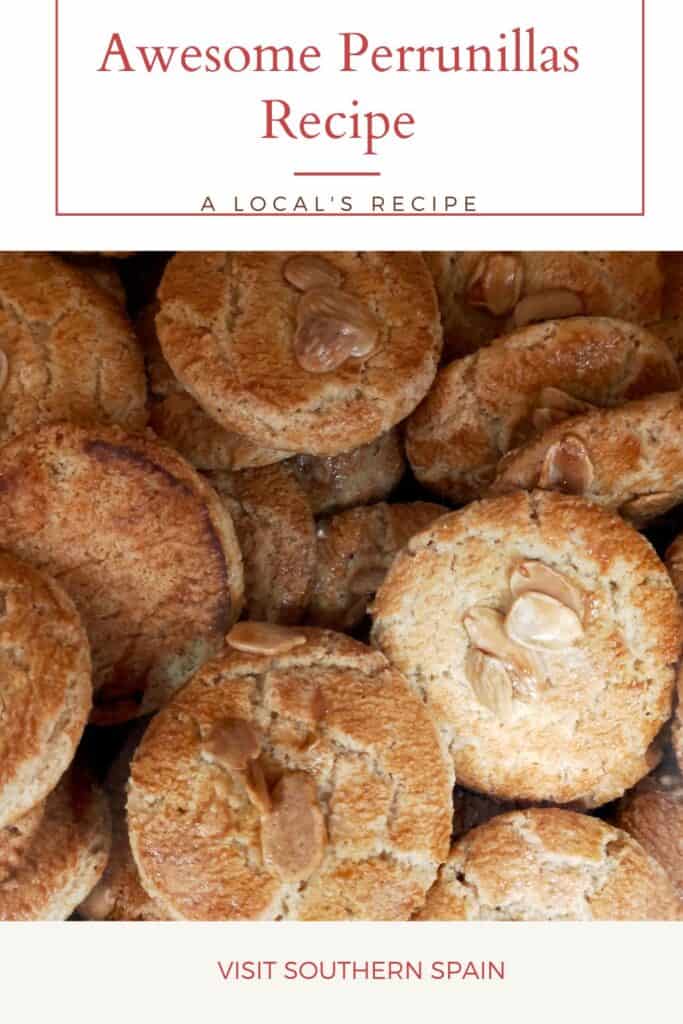
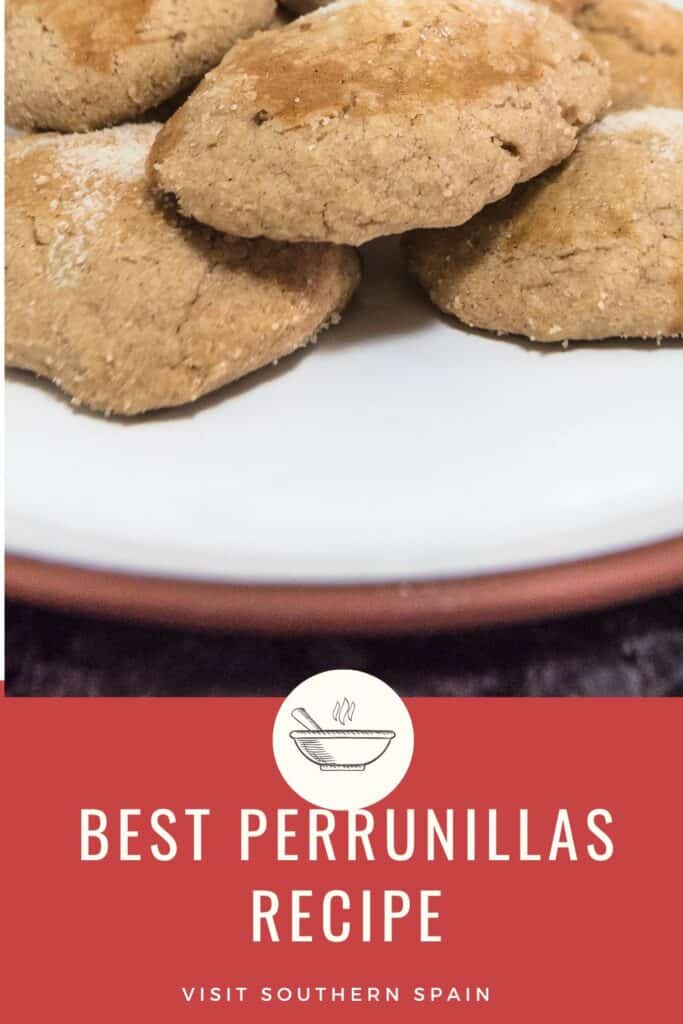
New generations think that perrunillas are somewhat outdated, but here we’ll prove you wrong. After all, nothing beats the charm of Spanish recipes.
Perrunillas shine thanks to their crumbly texture and the fact that each ingredient is present in just the right amount to stand out without overpowering the others.
Continue reading and you’ll learn more about the story behind these traditional sweets, along with a step-by-step guide and expert tips on how to make perrunillas at home.
You, dear reader, support this blog. If you purchase through a link, we earn a small commission. As an Amazon Affiliate, we earn from qualifying purchases.
Pssst…!!?? You can’t get enough of Spanish recipes? Have a look at my other posts:
Background of the Dish
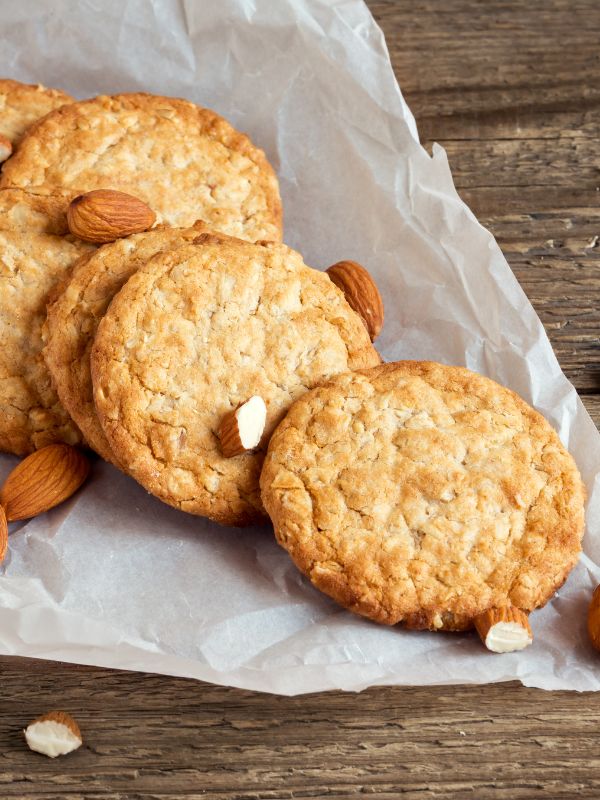
This recipe traces back to Spanish convents, where nuns crafted perrunillas using humble ingredients like lard, flour, and anise as part of centuries-old monastic baking traditions.
By the 17th century, these crumbly, sugar-dusted cookies had spread across rural regions like Extremadura and Andalusia, becoming a staple during holidays and religious celebrations.
What began as a convent sweet evolved until finally becoming a beloved symbol of home, heritage, and traditional Spanish baking.
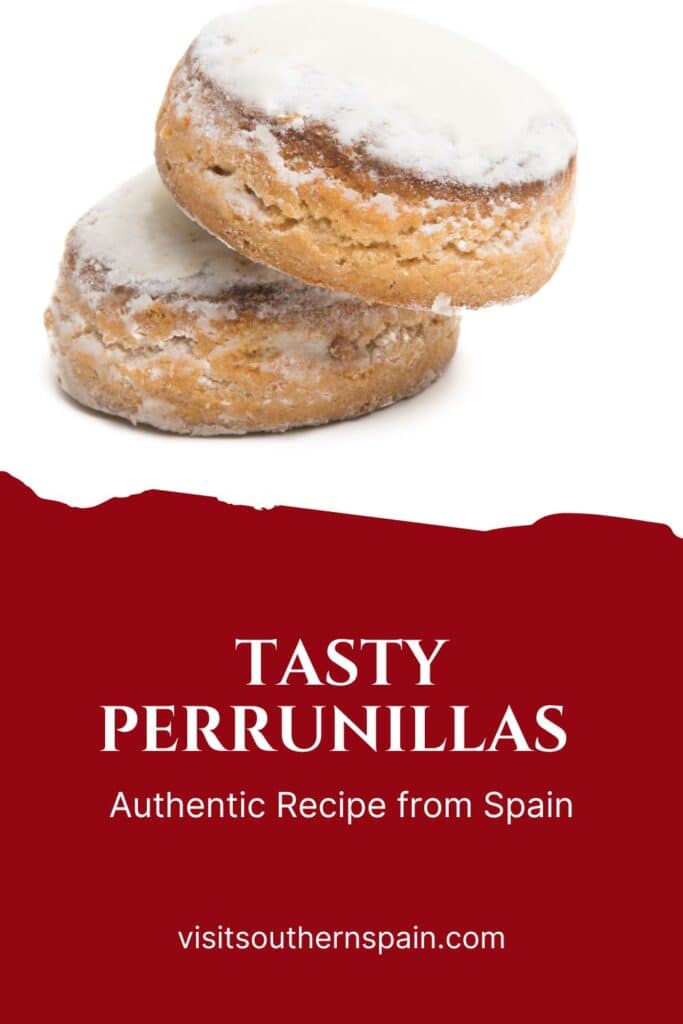
Pin for later!
Things You’ll Need for Perrunillas
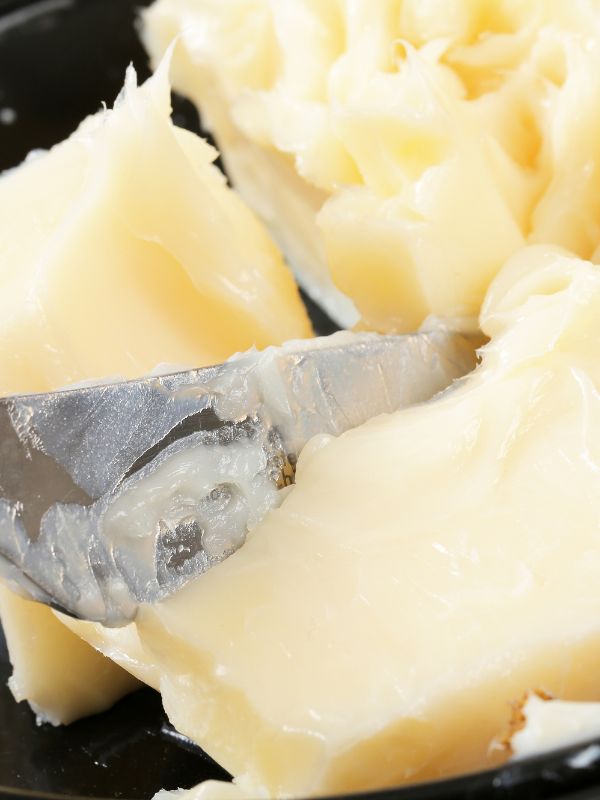
For this recipe, you will need lard, baking flour, eggs, baking powder, lemon zest, sugar, and anise as the main ingredients.
Ingredients
- 4 cups (500g) baking flour
- 1/2 cup (100ml) anise
- 4 eggs
- 3/4 cup (180g) sugar
- 1/2 cup (125g) lard
- 1 teaspoon baking powder
- Zest of one lemon
How to Make Perrunillas – Step by Step Guide
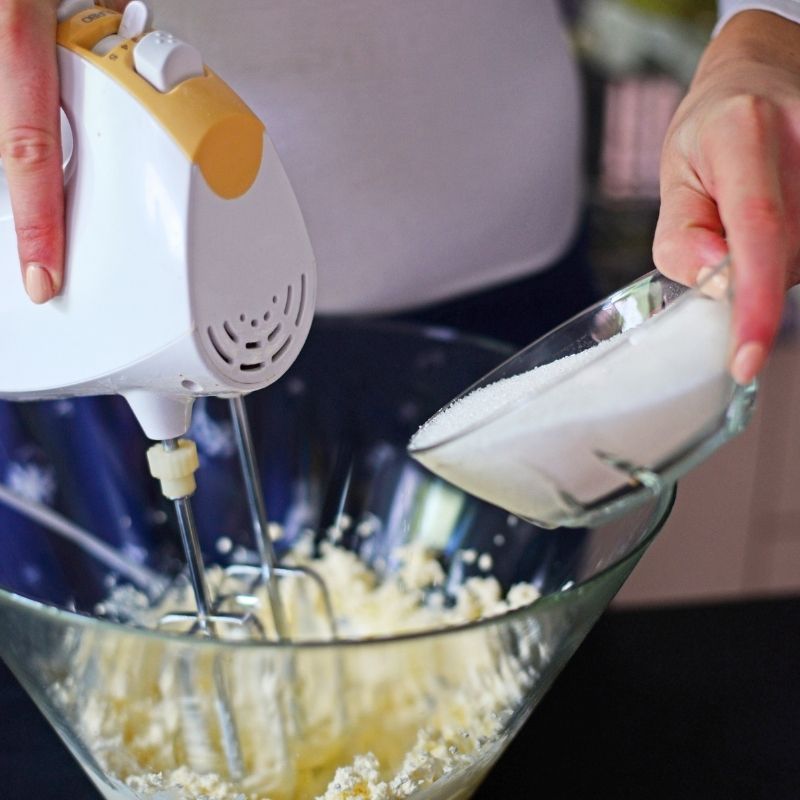
- For the first step in this perrunillas Andalusian recipe, preheat the oven to 180°C (350°F) while you prepare this Extremadura recipe.
- After that, separate the yolks from two of the eggs and place them in separate bowls. Be careful, as the egg whites can’t have any yolk in them.
- Now, grab a bowl and mix the lard (at room temperature) with the anise and sugar. Beat with a whisk until smooth and well combined.
- Then, add a tablespoon of lemon zest, then add two eggs and two egg yolks (save the remaining two egg whites for later). Mix with the whisk until combined.
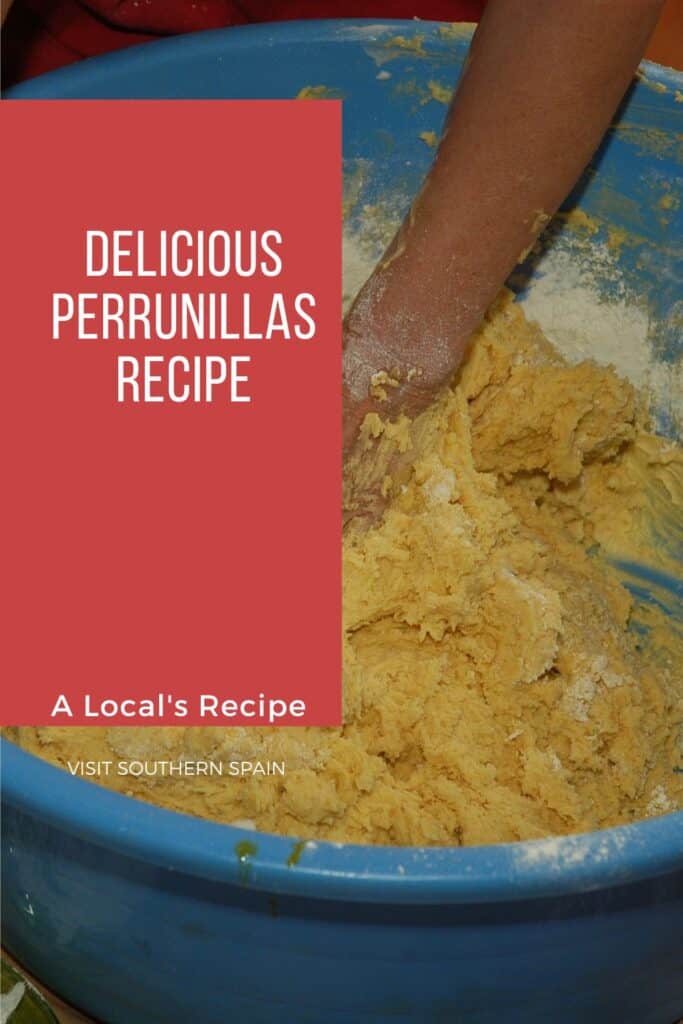
- For the next step, add the sifted flour little by little, making sure it is incorporated without lumps into the main mix. A fork might be more helpful at this point; remember, the dough will be thick.
- To reach the perfect consistency in the dough, knead it briefly with your hands until it has a flexible and malleable consistency. It should not be sticky, but slightly moist.
- To continue with this traditional perrunillas recipe, beat one of the egg whites until stiff. You can do it by hand or with a mixer.
- Then, line a baking tray with parchment paper. Take small portions of dough, shape them like cookies, and place them on the tray.
- After that, brush each one with the reserved egg white, add a bit of whipped egg white in the center, and sprinkle with sugar. Repeat with all the cookies.
- Finally, bake at 200°C (392°F) for 15–18 minutes, until lightly golden. Remove from the oven and let cool completely on a wire rack. Serve the pastries and enjoy.
Substitution of Ingredients
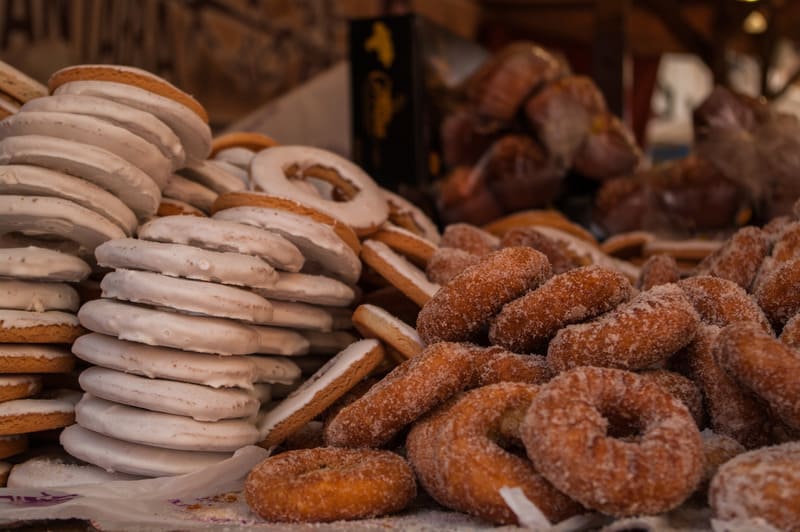
Everyone loves the classic Salamanca perrunillas, and we’re the biggest fans, but we know that sometimes it’s impossible to have all the ingredients at home, so get ready to learn how to add your own twist to the recipe.
The easiest way is to change the flavorings: Instead of the classic lemon zest, you can make perrunillas with lard and cinnamon, or others like nutmeg and even orange zest.
If you don’t have baking flour to make these Spanish convent cookies, use all-purpose flour and add an extra 1/2 tablespoon of the listed baking powder (so they don’t end up too cakey).
In case you don’t like the egg white topping, we recommend checking out other Spanish sweets recipes we have for you, such as Spanish sugar cookies, Pestinos, and Mantecados.
Tips on Serving Perrunillas
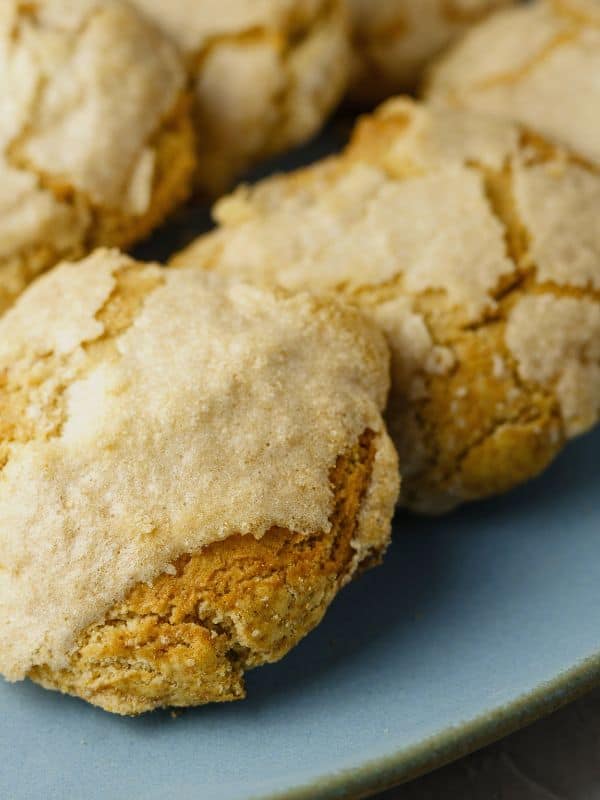
Perrunillas are not just any cookies, so we encourage you to serve them with the quality they deserve, and here we’ll tell you how to achieve it.
Andalusian perrunillas are fantastic for afternoon tea, although you can also pair them with your favorite coffee drink (but no soda, as it overpowers the flavors).
Andalusian perrunillas cookies also make a fantastic breakfast, and even better for brunch, accompanied by other Andalusian classics like potato tortilla cubes for a savory touch.
Have guests coming over? Then prepare a platter of Andalusian delicacies to entertain them, such as the fantastic Málaga Borrachuelos, the classic Rosquillas de anis , and the famous Buñuelos de Viento.
How to Store Perrunillas
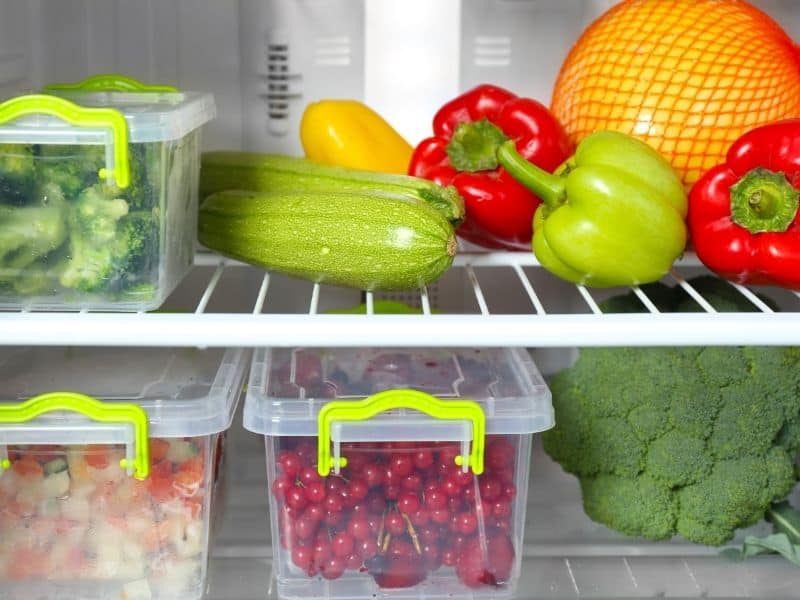
To store your homemade perrunillas de Extremadura, let them cool completely on a wire rack before transferring to an airtight container.
Arrange them in layers, separating each layer with parchment paper to prevent sticking or crumbling.
First, you can keep the perrunillas stored in a cool, dry place, for up to 2 weeks, though for longer freshness, you can refrigerate them in a sealed container for up to a month.
Want to learn more sweet Spanish dishes that you can make and store? Then check out our Leche Frita Recipe and the Spanish Panellets Recipe.
Recipe Card: Perrunillas
Delicious Perrunillas Recipe

New generations think that perrunillas are somewhat outdated, but here we'll prove you wrong. After all, nothing beats the charm of Spanish recipes.
Perrunillas shine thanks to their crumbly texture and the fact that each ingredient is present in just the right amount to stand out without overpowering the others.
Continue reading and you'll learn more about the story behind these traditional sweets, along with a step-by-step guide and expert tips on how to make perrunillas at home.
Ingredients
- 4 cups (500g) baking flour
- 1/2 cup (100ml) anise
- 4 eggs
- 3/4 cup (180g) sugar
- 1/2 cup (125g) lard
- 1 teaspoon baking powder
- Zest of one lemon
Instructions
- Preheat the oven to 180°C (350°F) while you prepare the perrunillas Extremadura recipe.
- First, separate the yolks from two of the eggs and place them in separate bowls.
- In a bowl, mix the lard (it should be at room temperature) with the anise and sugar. Beat with a whisk until smooth and well combined.
- Add a tablespoon of lemon zest, then add two eggs and two egg yolks (save the remaining two egg whites for later). Mix with the whisk until combined.
- Add the sifted flour in batches, first making sure it is incorporated without lumps into the original mixture. If the whisk is too stiff, you can do so with a fork; remember, the dough will be thick.
- Finish the dough by kneading it briefly with your hands until you have a flexible and malleable consistency, not sticky but slightly moist.
- Beat one of the egg whites until stiff. At this point you can do it by hand or with a mixer.
- Line a baking tray with parchment paper. Take small portions of dough, shape them like cookies, and place them on the tray.
- Brush each one with the reserved egg white, add a bit of whipped egg white in the center, and sprinkle with sugar. Repeat with all the perrunillas.
- Bake at 200°C (392°F) for 15–18 minutes, until lightly golden. Remove from the oven and let cool completely on a wire rack. Serve and enjoy.
Notes
It's crucial that no yolk remains in the egg whites when you separate them, otherwise they won't be useful for this recipe.
Lemon zest gives Spanish perrunillas their distinctive flavor, but you can use other flavorings such as cinnamon, nutmeg, or other citrus zest.
If you don't have baking flour, you can fix it by adding an extra 1/2 tablespoon of baking powder to this recipe.
Nutrition Information
Yield
10Serving Size
1Amount Per Serving Calories 213Total Fat 2gSaturated Fat 1gTrans Fat 0gUnsaturated Fat 1gCholesterol 74mgSodium 78mgCarbohydrates 39gFiber 2gSugar 0gProtein 8g
All information presented and written are intended for informational purposes only. You should not rely on this information as a substitute for, nor does it replace, professional medical advice, diagnosis, or treatment. If you have any concerns or questions about your health, you should always consult with a physician or other health-care professional. The writers and publishers of visitsouthernspain.com are not nutritionists or registered dietitians. Statements within this site have not been evaluated or approved by the Food and Drug Administration.
Hola, I’m Paulina! Together with my team, we are passionate about Southern Spain. Here we share all you need to know for great times in Southern Spain with the best places to visit, stay and, of course, the best food to eat.
Let’s dive in and explore Southern Spain’s outdoors, food and culture con pasión!