


A guide to learn how to plan a trip to Southern Spain
Ah, Andalucía, an extraordinary region with plenty of sunshine and rich culture.
From historic city walks to serene seaside escapes, here’s how to plan a trip to Southern Spain to revel in the region’s rustic charm.
While some must-see remote villages can be time-consuming to reach by public transportation, renting a car makes them easily accessible.
Visiting Southern Spain in spring, fall, summer, or winter is always the best time to go.
So start your next adventure with our guide to Southern Spain, and know when to visit, where to stay, what to eat, and tips for first-time visitors.

You, dear reader, support this blog. If you purchase through a link, we earn a small commission. As an Amazon Affiliate, we earn from qualifying purchases.
Pssst…!!?? You can’t get enough of Southern Spain? Have a look at my other posts:
Overview: Our favorite trips to Southern Spain
- When to Visit Southern Spain
- How Long to Spend in Southern Spain
- Choosing Your Destinations
- Transportation in Southern Spain
1. When to Visit Southern Spain
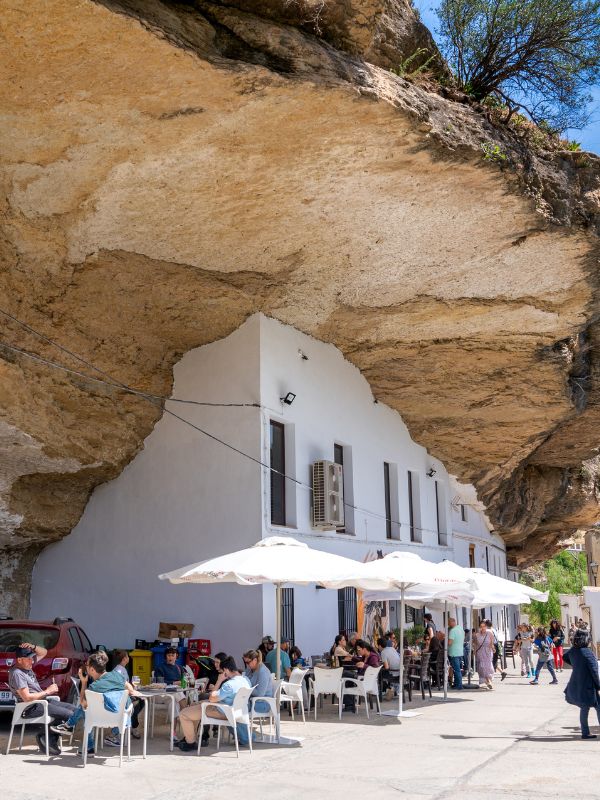
Let’s kick off our guide to how to plan a trip to Southern Spain with the most important part: when to visit?
The best time to visit Southern Spain is spring (March to May), fall (September to November), summer (June to August), and winter (December to February).
Spring and fall are ideal for sightseeing and hiking without the intense heat.
Summer is great for exploring Costa del Sol beaches, while winter is best for skiing in Granada.
The weather in Southern Spain has hot and dry summers, but it’s not freezing in winter—one of the things I did not expect in Southern Spain.
Mark your calendars for this year’s special events and festivals:
- Semana Santa (March 29 – April 4, 2026) for traditional processions.
- Feria de Abril (April 21 to April 26, 2026) for flamencos and horse parades.
- Christmas (December 2026 to January 6, 2027) for vibrant markets and lighting displays.
2. How Long to Spend in Southern Spain

A week in Southern Spain lets you discover its stunning and diverse landscapes.
How to plan a trip to Southern Spain? Suggested durations are 1 week, 10 days, and 2 weeks.
It also varies depending on whether you prefer a short or a long Southern Spain travel itinerary.
Shorter stays (seven days) are a mix of city sightseeing and coastal relaxation.
A 7-day trip allows you to explore major cities like Seville, Granada, and Córdoba.
And a 14-day itinerary for Southern Spain can give you enough time to try the local cuisine, watch flamenco shows, explore the beaches, and enjoy the nightlife.
For two weeks, you can cover the best of Southern Spain, plus the charming white villages, without rushing the experience.
3. Choosing Your Destinations

From the best cities to the best beaches in Southern Spain, each destination is worth visiting in this guide on how to plan a trip to Southern Spain.
Explore the three best cities in Southern Spain, also known as the Golden Triangle of Andalucía (Seville, Granada, and Córdoba).
Seville
For history and culture, Seville is your best option.
It is home to the Moorish palace of the Real Alcázar, the Cathedral, and La Giralda (bell tower).
Granada
The best hikes in Southern Spain are located in Granada, Sierra Nevada, also great for skiing.
You can also visit the Alhambra and Sacromonte, with a hillside cave settlement.
Córdoba
Discover the Mosque-Cathedral (Mezquita) of Córdoba, alongside its charming courtyards.
Costa del Sol
Málaga and Marbella are pleasantly warm year-round, perfect for swimming, paddleboarding, and kayaking.
Aside from beaches, Málaga is known for its art.
Visit the Renaissance-Baroque Málaga Cathedral and the Picasso Museum for stunning artworks.
Ronda
Ronda’s white villages are renowned for Andalusian charm set against the backdrop of the surrounding mountains.
Bonus: Cádiz, Jerez, and Almería
Go for a walk along the ancient streets of Cádiz.
Then, drive to Jerez for a sherry tasting and horse show.
Lastly, visit Cabo de Gata-Níjar Natural Park in Almería for its volcanic coastlines.
4. Transportation in Southern Spain

Wondering how to plan a trip to Southern Spain? Getting around is easy with our Southern Spain travel tips.
Southern Spain transportation tips
If you’re flying from Barcelona, you can take direct flights to Seville, Málaga, or Granada.
Vueling and EasyJet budget airlines operate regularly with less than two hours of average flight time.
The most important advice for planning a Southern Spain road trip is to familiarize yourself with public transport in major cities, where parking can be limited.
If you’re headed to Granada, Seville, and Cordoba, ride a bus to the Alhambra and other famous sites.
You can reserve solo seats and book changeable tickets.
Buses frequently stop in various towns, which can take longer than driving.
Traffic delays are unavoidable in major cities.
The journey offers comfort and convenience, with scenic routes through the Andalusian countryside.
Trains are eco-friendly and more efficient than cars and buses.
Train stations are not directly in the city center.
You’ll need to take a bus or taxi to get to your destination.
Self-driving is the best way to explore remote villages.
It is customizable for groups/families and generally safe, as most car rental companies offer full coverage insurance.
Cons: It can be difficult to navigate unfamiliar roads, particularly in mountainous areas.
5. Where to Stay in Southern Spain
We can’t overlook accommodations when we talk about how to plan a trip to Southern Spain.
Here are the best neighborhoods for where to stay in Southern Spain:
- Barrio Santa Cruz, Seville (most picturesque)
- Albaicín Cruz, Granada for travelers without a car
- Soho, Málaga for art lovers (close to the historic center and train/bus stations)
- Marbella, Costa del Sol for beachfront resorts
Boutique hotels
For Seville first-timers, stay at Soho Boutique Hotels Sevilla, a mid-range boutique hotel with a rooftop pool just a few meters away from the Cathedral.
The elegant Linda Boutique Hotel comes with a charming rooftop bar in Marbella Old Town.
While Boutique Hotel Luna Granada Centro is just walking distance from the Alhambra and Generalife.
Budget stays
Hotel Patio de las Cruces is a good choice for budget travelers and has an authentic vibe that most travelers love.
You can also rent small apartments or Airbnbs for a cheaper rate and Apartamentos Resitur is a safe choice.
Rural stays (cortijos)
Retreat into the countryside at Casa Rural Cortijo Carrillo, a charming rural farmhouse in Antequera.
You can also book at Cortijo Del Mar apartments, a spacious holiday complex with complete amenities for families near Marbella and Estepona.
Luxury resorts
The 4-star Parador de Málaga accommodation offers breathtaking views of the Mediterranean right next to Gibralfaro Castle at around $200 per night.
A night’s stay at Puente Romano Marbella can exceed $1,000 for a junior suite, depending on the season and add-on services/amenities.
The resort also offers more than 15 restaurants, including Nobu and Dani García’s Bibo.
6. Budgeting Your Trip

Find out how to plan a trip to Southern Spain on a budget with our Southern Spain budget travel tips.
Average daily costs
Budget accommodation typically ranges from $50–$100, with luxury hotels often exceeding $220 per night.
When dining out, save more with menú del día (three-course lunch) at only $11–$17.
Public transport expenses often vary, for buses ($1.60 per ride) and trains ($18–$50), depending on the distance.
Tips for saving money
Enjoy a free entrance to these museums:
- Museo de Bellas Artes in Sevilla (Tuesdays, 6 PM–8 PM and Sunday mornings)
- The Alcázar of Sevilla (Mondays, 6 PM–7 PM from April–September and 4 PM–5 PM from October–March)
Check official websites as schedules can change.
You can also take advantage of tapas deals with a drink for $5–$15 per serving at local bars.
Some splurges worth considering, such as flamenco shows and guided Alhambra tours, can make the most of your southern Spain vacation planning.
7. What to Eat in Southern Spain

A foodie tour in Andalucia won’t be complete without tapas tasting.
El Rinconcillo in Seville has been serving Spanish tapas since 1670.
Looking for more must-try local food? Here’s what to eat in Southern Spain:
Seville
- Salmorejo (tomato soup)
- Pescaíto frito (Spanish fried fish) can be anchovies or calamares
- Jamón ibérico (cured ham) using only Iberian-breed pigs
Málaga
- Churros with chocolate sauce (deep-fried dough dipped in hot chocolate)
- Espetos (grilled sardines)
- Ensalada Malagueña (a salad made with potatoes, cod, and orange).
Granada
- Flamenquines Cordobeses (ham and pork loin rolls)
- Rabo de Toro (braised oxtail)
- Pastel cordobés (Spanish cream puffs)
For local drinks, try sherry in Jerez, wines of Málaga paired with tapas, and tinto de verano (a cocktail with wine and lemon-flavored soda).
8. Travel Tips for First-Time Visitors

Don’t forget these helpful southern Spain travel tips on how to plan a trip to Southern Spain.
Language & cultural etiquette
The most important Southern Spain travel advice is to respect the locals and their culture.
Speak quietly in public and wear modest dress (covering shoulders and knees) in churches.
Learn key Spanish phrases like Por favor (Please), Gracias (Thank you), as well as greetings like ¿Cómo está? (How are you?) and Buenos días (Good morning).
Say hola (hello) when entering shops. Tips are not required, but leaving small change in cafes is acceptable.
Safety & solo travel tips
It is generally safe in Andalucia, with petty theft risks in tourist hotspots like Seville, Granada, and Malaga.
Avoid walking alone in deserted alleys, especially at night.
Secure your things in a front-facing bag and don’t leave them unattended.
Join group activities for solo travelers if you can.
Packing tips for different seasons
Pack breathable clothing (cotton/linen) for summer and warm layers (sweaters) for winter and chill mornings/evenings.
Wear comfortable walking shoes and bring a small umbrella for occasional rain. Don’t forget sun protection like sunglasses and a hat.
Useful apps & resources for travelers
Download Google Maps and Waze for driving. Buy your train tickets at Renfe or book your ride with Cabify or Uber.
Useful resources include DGT for traffic, AEMET for weather, and GetYourGuide for booking experiences.
Bottom line on planning to visit Andalucia

Southern Spain offers the perfect mix of history, culture, food, and sunshine.
There’s more to discover beyond its Moorish architecture, flamenco, and tapas.
Now that you know how to plan a trip to Southern Spain, explore at your own pace with a personalized itinerary tailored to your interests and budget.
Start planning your Southern Spain adventure today!
FAQ about visiting Southern Spain
What is the best month to visit southern Spain?
The best month to visit southern Spain is April, with average daytime temperatures ranging from 18°C to 25°C (64°F to 77°F).
Where to stay in Southern Spain?
Stay in Seville for culture, Malaga for museums, or Marbella for beach vibes.
Choose from boutique hotels, budget stays, luxury resorts, and rural stays.
How long to spend in the south of Spain?
It is ideal to spend 7 to 14 days in the south of Spain to explore major cities like Seville, Granada, and Córdoba, alongside white villages.


Hola, I’m Paulina! Together with my team, we are passionate about Southern Spain. Here we share all you need to know for great times in Southern Spain with the best places to visit, stay and, of course, the best food to eat.
Let’s dive in and explore Southern Spain’s outdoors, food and culture con pasión!