

A guide to the best Southern Spain Halloween traditions
People celebrate Southern Spain Halloween traditions not to get spooky, but to stay solemn while having fun.
Halloween is not a traditional holiday, but Día de Todos los Santos (All Saints’ Day) and Día de los Difuntos (All Souls’ Day) are, on November 1st and 2nd, respectively.
Costume parties are everywhere, and people dress up not for trick or treating but for free shots in clubs. And we’re here for it!
Traveling with kids? Families are absolutely welcome here, with pumpkin carvings and street parades as the highlight of your itinerary.
Let’s discover together how is this wonderful holiday celebrated in Southern Spain!
You, dear reader, support this blog. If you purchase through a link, we earn a small commission. As an Amazon Affiliate, we earn from qualifying purchases.
Pssst…!!?? You can’t get enough of Spanish guides? Have a look at my other posts:
Overview: Our favorite Halloween traditions
- Día de Todos los Santos (All Saints’ Day)
- La Noche del Terror (Horror night) in Churriana
- Día de las Brujas (Day of the Witches)
- Tosantos
1. Origins & Cultural Roots
Halloween in Andalusia is more of a family event, with All Saints’ Day and All Souls’ Day as the two main celebrations for remembering the faithful departed.
Día de Todos los Santos (All Saints’ Day) is held every November 1st.
Families gather at cemeteries to offer flowers on the graves of their deceased relatives.
Many even bring food to share, like chestnuts (castañas) and buñuelos de viento (fried, cream-filled donuts).
Once eaten, they believe their souls will be saved from purgatory.
Halloween celebrations in Southern Spain have Catholic influences since it’s the region’s predominant religion.
On November 2nd, Catholics attend masses dedicated to Día de los Difuntos (All Souls’ Day).
There’s also a growing influence of American style on Southern Spain Halloween traditions.
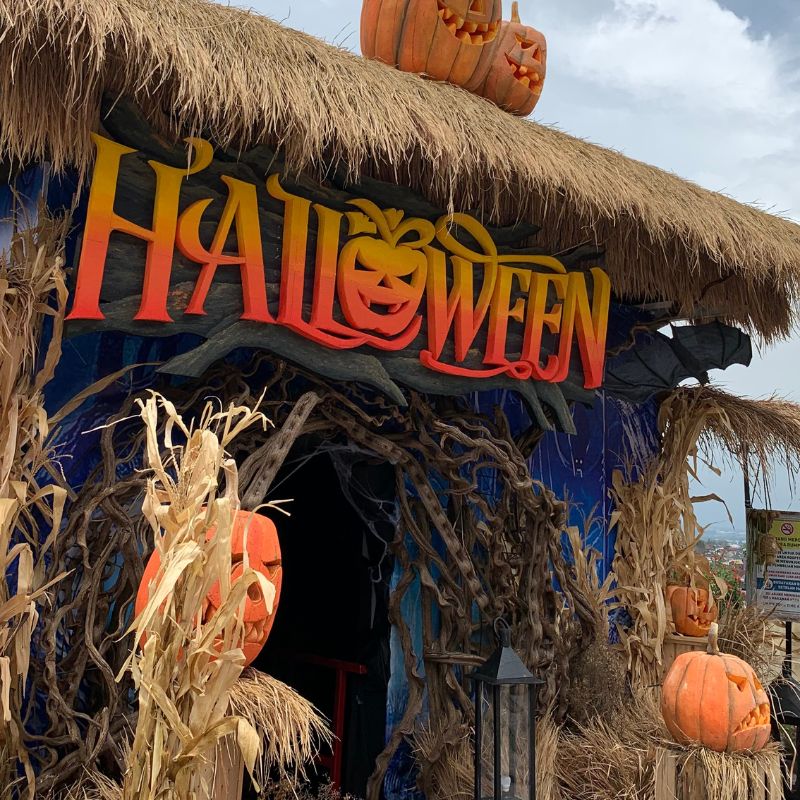
You’ll find bars, shops, and restaurants adorned with decorations like cobwebs, skeletons, and pumpkins.
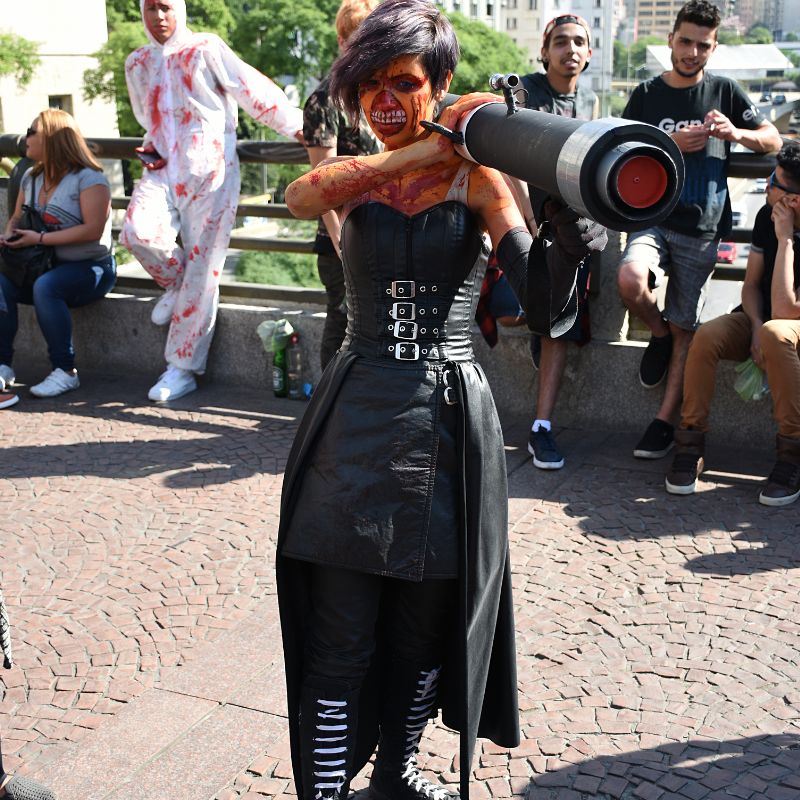
People dress up to attend parties, while children wear ghoulish costumes to go trick-or-treating.
In Seville, the streets become the setting for the famous play, Don Juan Tenorio by José Zorrilla, which tackles redemption after death.
While you can attend some Halloween events in Malaga, such as La Noche del Terror (Horror night) in Churriana, in scary costumes, and watch the street performances.
In Granada, they celebrate Día de las Brujas (Day of the Witches) on October 31st.
The tradition highlights the Soportújar witches who live in a haunted village.
Cádiz also hosts a gastro-fest called Tosantos, where market stalls feature their edible merchandise in weird characters.
2. Traditional Foods & Sweets
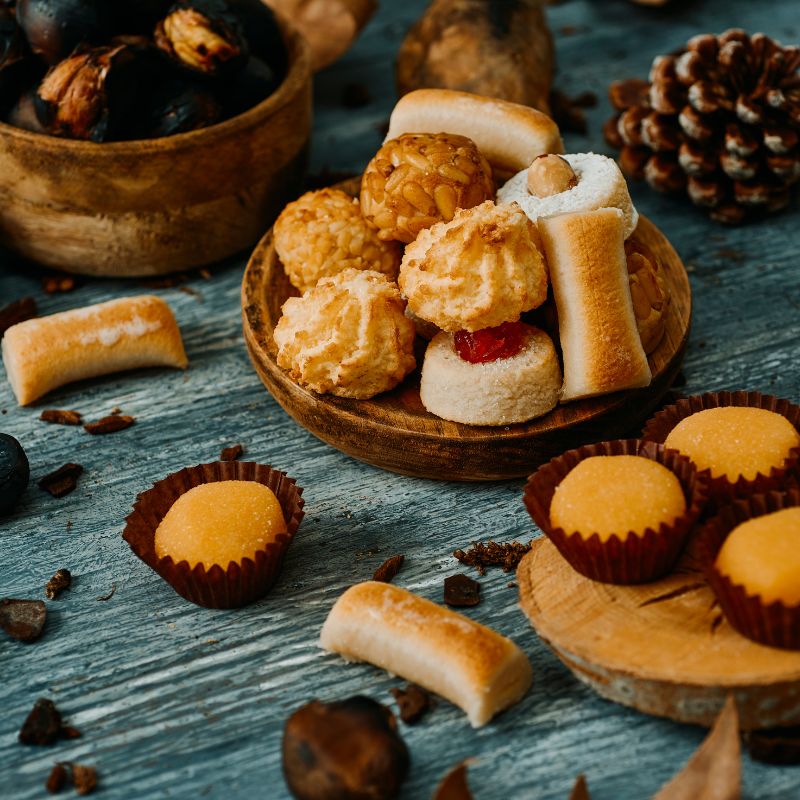
Southern Spain Halloween traditions are not complete without traditional food and sweets.
Huesos de Santo (Saint’s Bones) are some of the most well known desserts for Halloween.
Filled with creamy egg yolk mixture, these finger-sized Marzipan rolls are in bone-like colors, made to look like the remains of the dead.
One of the popular traditional Spanish treats for All Saints’ Day is Buñuelos de Viento, or sweet Spanish fritters.
These look like cream puffs or donut holes, often rolled in sugar and cinnamon.
Light and crispy on the outside, each fritter can be filled with custard, cream, or chocolate.
Legend has it that eating one can release your soul from purgatory.
Dating back to the 18th century, the Panellets are small cakes or cookies that are rolled in pine nuts.
They come in many shapes, whether round or pumpkin-shaped.
Also known as Empiñonados in Southern Spain, panellets are traditional Catalan pastries made of marzipan, sweet potatoes, almonds, or chestnuts.
Another popular Halloween treat in Southern Spain is Pestiños or honey-glazed fritters.
These are often served on All Saints’ Day and even consumed during Semana Santa (Holy Week).
Pestiños are usually fried and glazed with sugar or honey. These honey-glazed fritters come in saffron or aniseed flavors.
In Cordoba, locals prepare Gachas de leche as part of their All Saints’ Day celebration.
Paired with crackers or bread rolls, the sweet porridge is made of flour, milk, honey, and sugar.
This Halloween dish is often flavored with anise, cinnamon, and lemon.
Since pumpkins have become a symbol for Halloween, Barriguitas de Vieja, or Spanish pumpkin fritters, are considered an important dish in Andalusian cuisine.
Made of mashed calabaza or squash, pumpkin fritters are fried to perfection and rolled in sugar.
And lastly, as part of Spain’s Halloween Traditions, local vendors are out on the streets selling roasted chestnuts on All Saints’ Day.
Traditionally, people gather around the fire to roast and eat chestnuts.
Some even throw the chestnuts into the fire with the belief that the deceased can also eat.
3. Festivals & Events
In Seville, many bars and pubs organize Halloween night parties where people can dress up for drinks.
You can also sign up for tours with designated themed tapas routes.
Enjoy delicious tapas and Spanish wine as you visit tapas bars that only the locals know about.
Don’t miss event highlights for Halloween in Seville, Spain, including Escape Room Sevilla’s immersive adventure.
Halloween in Malaga is just as exciting as other Southern Spain Halloween traditions.
Expect fun-filled activities for kids such as costume parties, children’s parades, and trick-or-treating at Pier One (Muelle Uno).
Families can join a costume contest, photo and face painting sessions, among other surprises.
You can also visit themed bars in Soho and the historic centre.
The streets will be filled with locals and children showcasing their spookiest Halloween costumes.
Watch out for this year’s Polloween Horror Fest in Malaga, featuring horror film showings and video game demonstrations.
Get spooky with a visit to Granada Cemetery Walls Memorial, which resembles Necropolis or the City of the Dead.
The second-oldest cemetery in Spain, also known as Cemetery of San José, is just a five-minute walk up the hill from the Alhambra Palace.
Aside from cemetery visits, you can sign up for cultural workshops in Granada, such as painting sessions and flamenco dance lessons.
The chestnut festival also coincides with Halloween in Granada and other villages on November 1st.
You are welcome to join the locals as they sing, dance, and roast chestnuts.
Stay tuned for a fright night at Disco by Day’s Halloween Thriller party on November 1st.
First up is Fiesta de Tosantos on October 31st. Before All Saints’ Day, the market stalls in Cadiz are dressed up with strange cut-outs of fruits and vegetables.
Even meat products are displayed as satirical characters.
In Cadiz, pumpkins are carved as a way to pay respect to the dead. People are also dressed as ghosts, zombies, or witches as they go to parties.
In other coastal towns such as Marbella and Almeria, expect street performances with lively music and colorful costumes.
Parades and public processions often coincide with Spanish Halloween customs.
You can also check out the Halloween Retro Festival in Cadiz, Spain, which will happen in the last week of October.
4. Cemetery Visits & Family Traditions
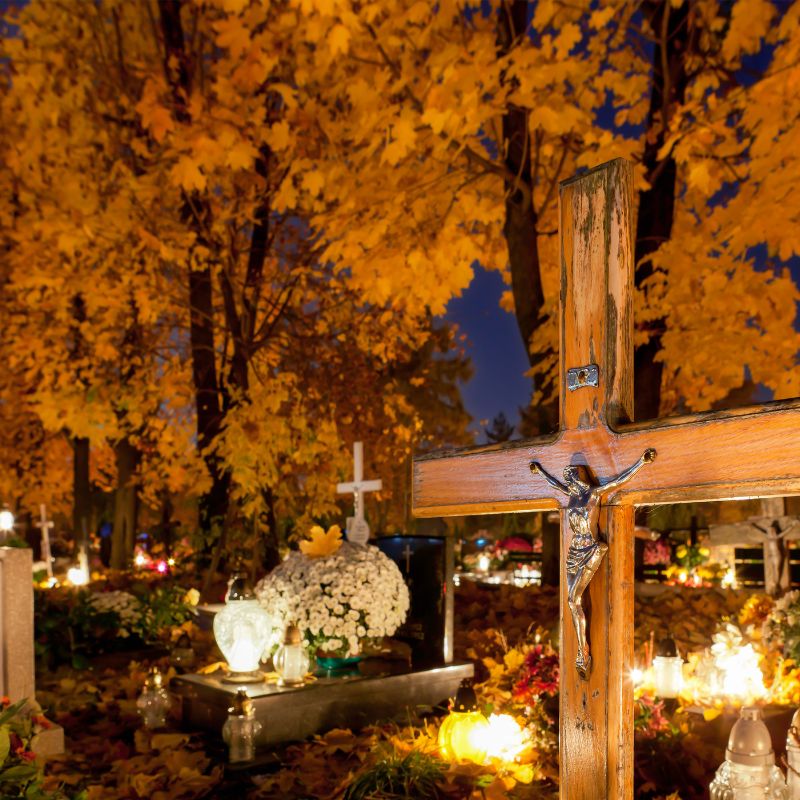
If there’s one thing that shouldn’t be missed in Southern Spain Halloween traditions, that would be cemetery visits.
It’s a Spanish custom for families to offer flowers to the graves of their deceased loved ones.
They also bring traditional food to share with family and friends.
Candlelit vigils and solemn processions are also held to commemorate the dead. They light candles in memory of their relatives who have passed.
5. Modern Twist — Halloween in Andalusian Schools & Theme Parks
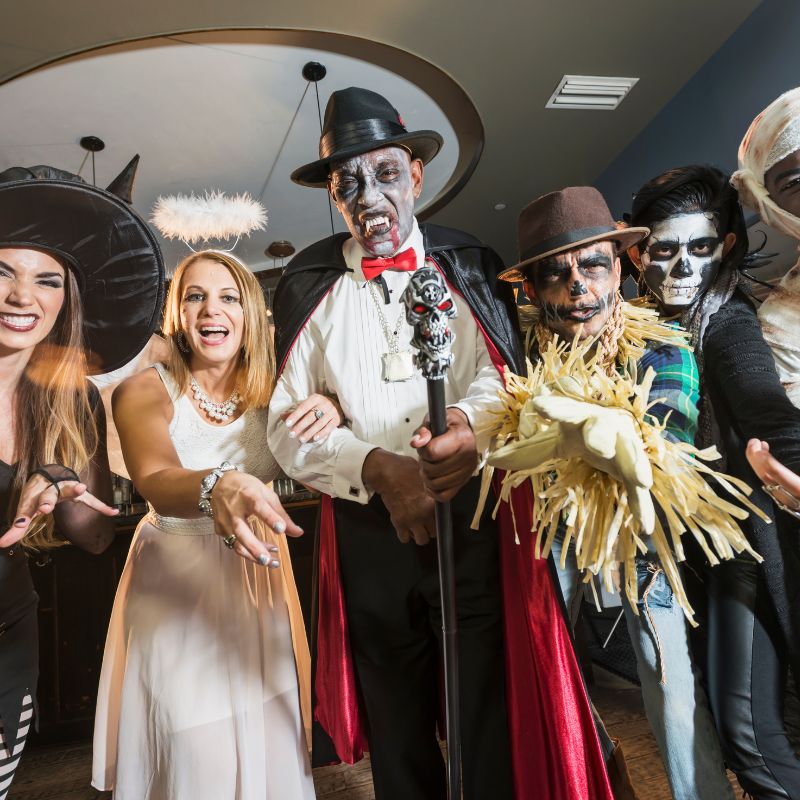
The Southern Spain Halloween traditions are also widely observed in many schools. Students love dressing up in creepy costumes.
Classrooms are even decorated with spider webs, witches, pumpkin carvings, and other crafts made by the children.
If you’re traveling with your kids, you can visit Isla Mágica in Seville, where you can watch light shows and see spooky displays.
The Tivoli World amusement park in Benalmadena is also a great spot to celebrate Halloween in Malaga. Entrance is free if you come in a Halloween costume.
6. Tips for Travelers

When visiting Spain during Halloween traditions, you won’t expect the more popular American customs like trick or treat.
Some cities have adapted to these modern activities, but not on a larger scale.
Most are still sticking to traditional Spanish customs like All Saints’ Day and All Souls’ Day.
While people go out to socialize at parties, they always observe cultural etiquette during this sacred time.
Be respectful and quiet when visiting cemeteries. Make sure to honor their practices in remembering their ancestors.
Always remember these observances are mostly spiritual and not festive.
The weather in Andalucia in October is warm and pleasant.
Pack light and wear sweaters and comfortable walking shoes. Don’t forget a waterproof jacket for potential rain.
Where to go? You can visit cemeteries, theme parks, or sign up for Halloween-themed parties.
Bottom line on Halloween in Southern Spain
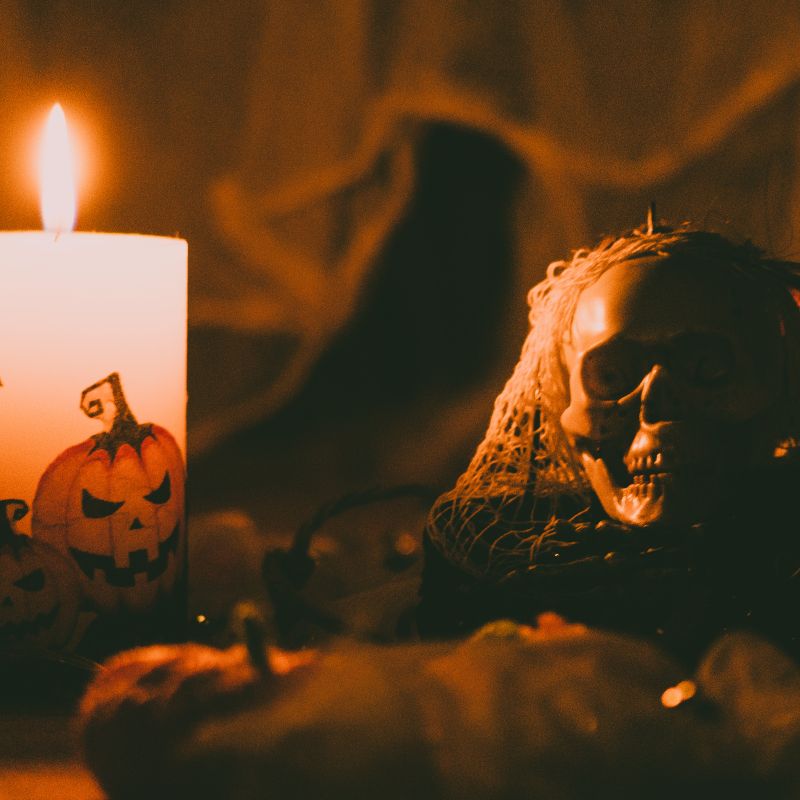
Southern Spain’s Halloween traditions are not just a celebration.
These Spanish customs are a unique blend of old and new, where festivities are meant to honor their dead ancestors.
In Spain, Halloween is less commercialized, with a focus on ancestral remembrance.
While people dress up in costumes, they don’t merely celebrate for trick-or-treating, but mostly for commemorating their deceased loved ones.
Experience how Halloween is celebrated in Southern Spain in true Andalusian style. Share your favorite Spanish Halloween traditions in the comments below.
FAQ about Halloween in Andalucia
What are the traditions of Halloween in Spain?
The traditions of Halloween in Spain are cemetery visits and families bringing flowers to their relatives’ graves.
Attending costume parties, or eating roasted chestnuts and traditional pastries is also a lovely way they spend this holiday.
Is Halloween big in Malaga?
Yes, Halloween is big in Malaga.
From themed parties in Soho to family activities at Muelle Uno, there are plenty of things to do in Malaga in October.


Hola, I’m Paulina! Together with my team, we are passionate about Southern Spain. Here we share all you need to know for great times in Southern Spain with the best places to visit, stay and, of course, the best food to eat.
Let’s dive in and explore Southern Spain’s outdoors, food and culture con pasión!