

A guide to help you learn about the weather in Southern Spain in January
Can you enjoy winter and still soak up some sunshine? Absolutely. The weather in Southern Spain in January might just surprise you—in the best possible way.
Yes, it’s still winter, but generally milder than other parts of Europe. Expect a good amount of sunshine, making it ideal for hiking and nature walks.
With fewer tourists in the off-season, this is the perfect time to explore the sights without long queues, delays, and traffic jams in major cities.
Here’s an overview of Southern Spain’s winter climate, what to pack, things to do in Andalucia in January, festivals and events, and other helpful travel tips.

You, dear reader, support this blog. If you purchase through a link, we earn a small commission. As an Amazon Affiliate, we earn from qualifying purchases.
Pssst…!!?? You can’t get enough of Southern Spain? Have a look at my other posts:
Overview: Our favorite January activities
- Overview of January Weather in Southern Spain
- City-by-City Weather Breakdown
- What to Pack for January in Southern Spain
- Things to Do in Southern Spain in January
1. Overview of January Weather in Southern Spain
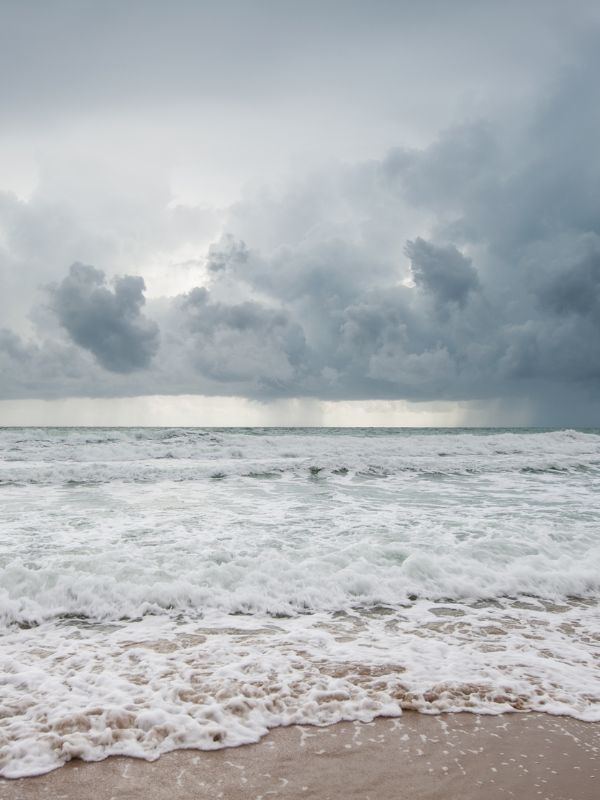
What is the weather like in Southern Spain in January?
Expect crisp mornings, sunny afternoons, and chilly evenings this month with average temperatures ranging from 7°C to 16°C (45–60°F).
The weather in Southern Spain in January is much more delightful for sightseeing and outdoor activities.
At night, the temperatures in Southern Spain in January can drop to 5°C to 8°C (42–47°F).
During the day, you’ll get approximately 5 to 6 sunshine hours, especially in areas on the Mediterranean Sea like Costa del Sol.
Generally, the Southern Spain climate in January is a fair mix of sunshine and rain.
The average rainfall is around 70 to 80mm, with an average of 5 to 8 days of rain.
Costa del Sol weather in January, such as in Málaga, Nerja, and Marbella, is generally warmer than inland areas.
Seville, Cordoba, and Granada are significantly colder with a bit of sunshine.
It typically snows in the Sierra Nevada with increased altitude in the mountains, and temperatures that drop to 0–1°C (32–34°F).
Seville’s weather in January is cool, dropping to 6°C to 7°C (43–45°F), while Granada’s weather in January is often sunny with mild rainfall and cold nights at 2°C (36°F).
2. City-by-City Weather Breakdown
Beach lovers can still enjoy the weather in Southern Spain in January without the intense heat.
Andalucia in winter is not freezing, unlike other regions in Europe. It’s not too cold nor hot, making it the perfect time for beach walks.
Spain’s sun-drenched Costa del Sol offers scenic views for mild and sunny beach walks.
Málaga weather in January is mild and pleasant with temperatures around 7°C to 18°C (45–64°F).
Visit La Malagueta, the city’s beach, where you can dine on grilled seafood at one of the many chiringuitos.
Inland areas like Seville and Córdoba experience colder mornings and pleasant afternoons, with temperatures ranging from 6°C to 16°C (44–61°F).
Both cities are in the heart of Andalucia, offering a glimpse of Southern Spain’s vibrant culture and stunning architecture.
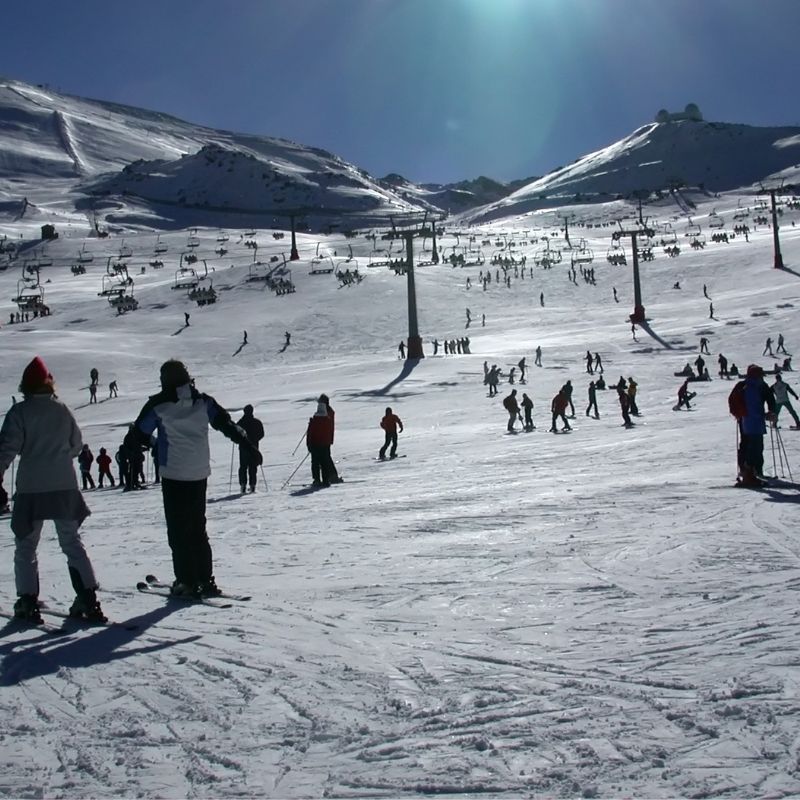
Southern Spain in winter is a great time for skiing in Granada, specifically in Sierra Nevada.
The ski season is at its peak in January, with 10 to 11cm of snowfall on average.
Provinces bordered by the Atlantic Ocean also have pleasant weather in January.
Cadiz and Huelva often experience warm winters and cool summers throughout the year.
3. What to Pack for January in Southern Spain
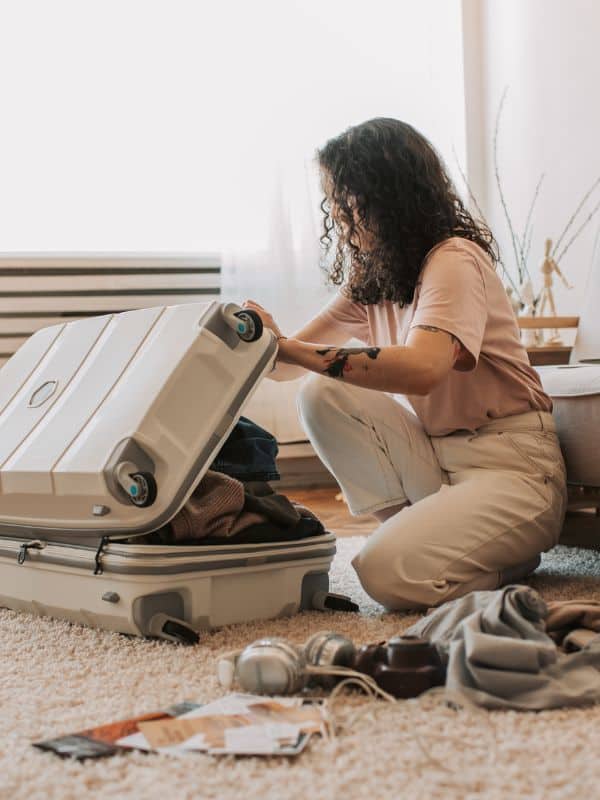
Pack a warm waterproof jacket, layers of clothing, scarves, and gloves, anticipating the weather in Andalucia in January.
Don’t forget your essentials like sun protection and comfortable footwear, as days can be sunny.
The weather in Southern Spain in January can be cool, but it’s likely to rain in the evenings and mornings.
If heading to Sierra Nevada, bring ski gear such as gloves, socks, a helmet, goggles, and thermal base layers.
These will ensure your comfort and safety when navigating through the snowy slopes.
Like Andalucia in December, the days can be breezy, but it’s not too cold.
But just to be sure, wear a light jacket or scarf when going out for dinner or drinks in the evening.
4. Things to Do in Southern Spain in January
Among the best places to visit in Southern Spain in January are the major Moorish cities of Cordoba, Granada, and Seville.
Discover heritage sites on a cultural sightseeing tour through the Alhambra, Mezquita, and Alcázar.
The majestic Alhambra palace is a sight to behold, built in the 13th century, while the Mosque-Cathedral or Mezquita is also a gem in Granada.
The Royal Palace of Alcázar is not to be missed, especially its stunning gardens and architecture.
Southern Spain in December and January is often less crowded, so you can enjoy the attractions without hordes of tourists.
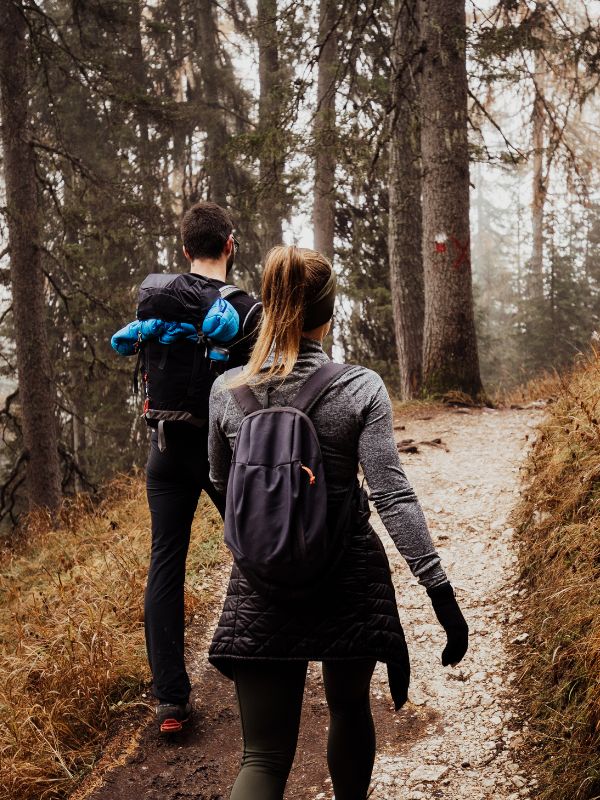
The weather in Southern Spain in January is ideal for nature walks in mild coastal areas such as the Gran Senda de Málaga, with a trail section that is partly coastal and partly inland.
If you’re into hiking, Malaga in Winter is perfect for exploring the outdoors.
You’ll find trails that will reward you with stunning views, such as in Sierra de Grazalema Natural Park and Caminito del Rey, one of the best places to visit in Andalucia in winter.
Skiing in Sierra Nevada is also a must-do for your trip to Southern Spain in January.
During the winter season, about 11cm of snow is dispersed once a week for optimal ski conditions.
You can also check out city events and indoor activities like museum tours.
In Andalucia, flamenco shows are happening throughout the year.
You can catch performances in popular venues such as Casa de la Memoria in Seville, Sacromonte in Granada, and Teatro Flamenco in Malaga Live Flamenco Show.
5. Festivals & Events in January
January is packed with celebrations that reflect Andalucia’s vibrant culture. A brand new year kicks off with Año Nuevo (New Year’s Day).
Locals gather with their family to have dinner and drinks before they go out to clubs. Come midnight, you can watch colorful fireworks.
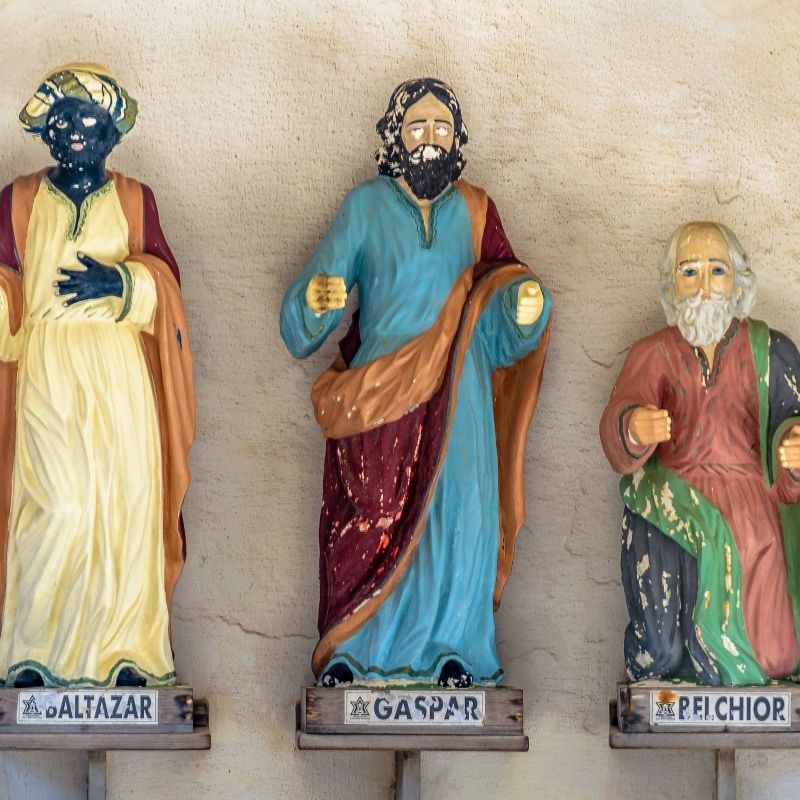
The Spanish Christmas traditions continue until Día de los Reyes Magos (Three Kings’ Day) on January 6th.
Andalucia holds colorful parades where the Three Wise Men in elaborate floats toss small gifts and Christmas pastries, such as the Roscón de Reyes (ring-shaped cake), to the crowd.
The fun continues at ferias (local fairs) filled with food, music, and processions.
Catch St. Hilary of Poitiers Festival in Malaga on January 13th and the Fiesta of San Antón in Jaén with bonfires as the highlight on January 16th.
Cadiz Carnaval also starts by the end of January, with food extravaganzas around the city.
6. Travel Tips for Visiting Southern Spain in January

Andalucia in January is the perfect time to visit due to fewer tourists and lower prices.
The weather in Southern Spain in January is a mix of sunshine, cool breeze, and some rain.
Shorter days and cooler evenings are just some of the possible drawbacks when visiting Andalucia in January.
Southern Spain gets an average of five to six hours of sunshine per day. It’s best to start your tour early in the morning, ahead of most visitors.
Getting to the attractions early also means you have more time to explore. Be sure to book Alhambra tickets in advance because they sell out quickly.
It can be tricky to get around if you only rely on public transportation, but renting a car is cheaper and more practical.
If you’re traveling by train, make sure to get tickets in advance while taking the bus is a good option for less-frequented train routes and small towns.
Book ahead for your travel to Southern Spain in January. Post-holiday travel starts early January after the Christmas and New Year season.
Some restaurants are open but need advance reservations on holidays like New Year’s Day and Three Kings’ Day.
Bottom line on Southern Spain in January
Embrace the winter charm of Southern Spain in January.
The combination of mild weather, cultural richness, and fewer crowds makes for an ideal holiday in Andalucia.
The weather in Southern Spain in January is a mix of sunshine, rain, and cool breeze.
It’s perfect for hiking through nature parks, sightseeing across heritage sites, and skiing in the mountains.
While it’s technically winter season, Southern Spain January weather is not freezing, but it can get colder at night.
FAQ about January in Andalucia
Which part of Spain is warmest in January?
The warmest part of Spain in January is the Canary Islands, which reaches 22°C (72°F) in winter.
Is January a good time to visit southern Spain?
Yes, January is a good time to visit southern Spain.
The weather in January is mild and pleasant.
What is the weather like in Malaga in January?
Malaga’s weather in January is sunny and breezy with a bit of rain, with temperatures ranging from 7°C to 18°C (45–64°F).

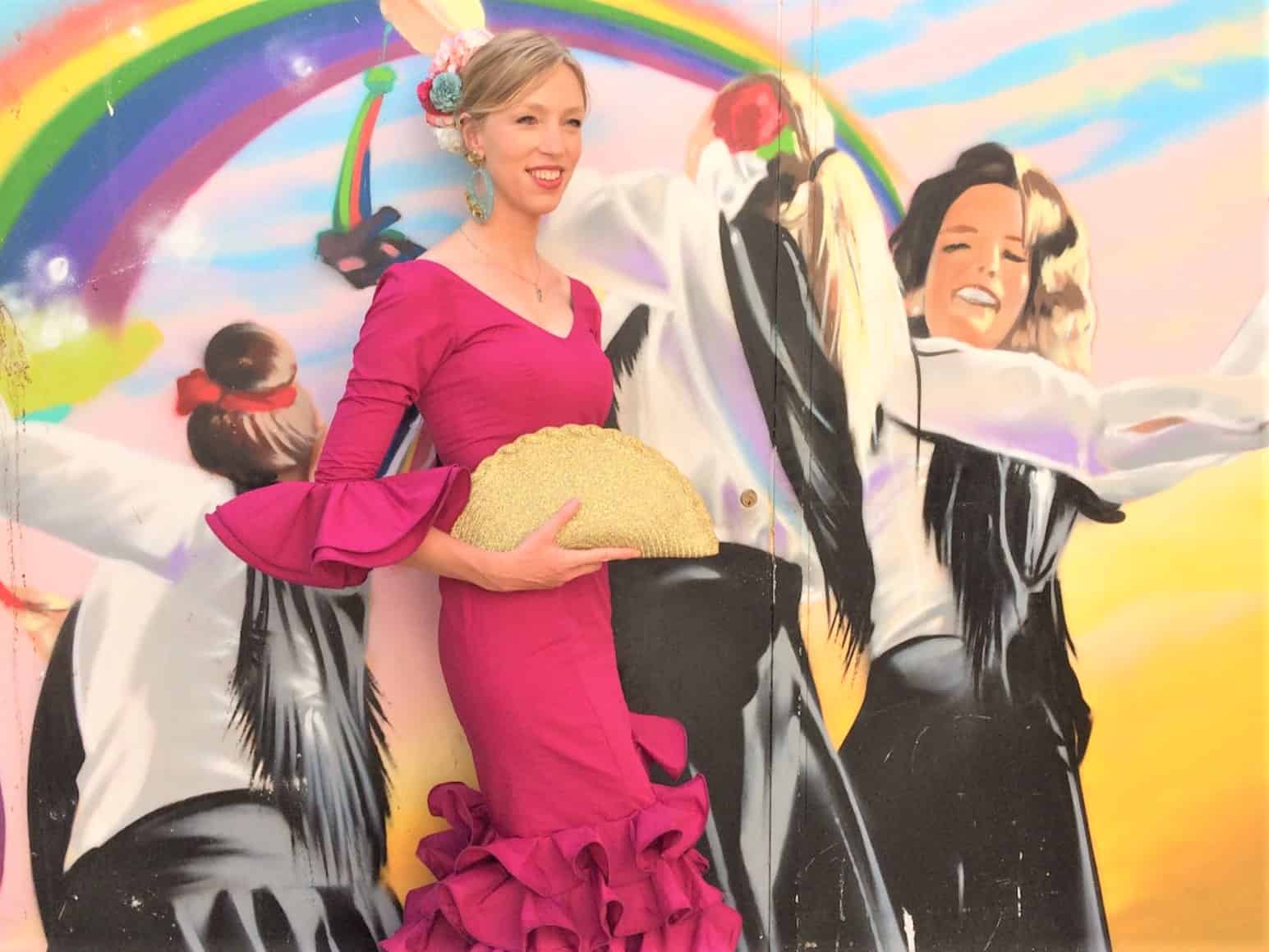
Hola, I’m Paulina! Together with my team, we are passionate about Southern Spain. Here we share all you need to know for great times in Southern Spain with the best places to visit, stay and, of course, the best food to eat.
Let’s dive in and explore Southern Spain’s outdoors, food and culture con pasión!