
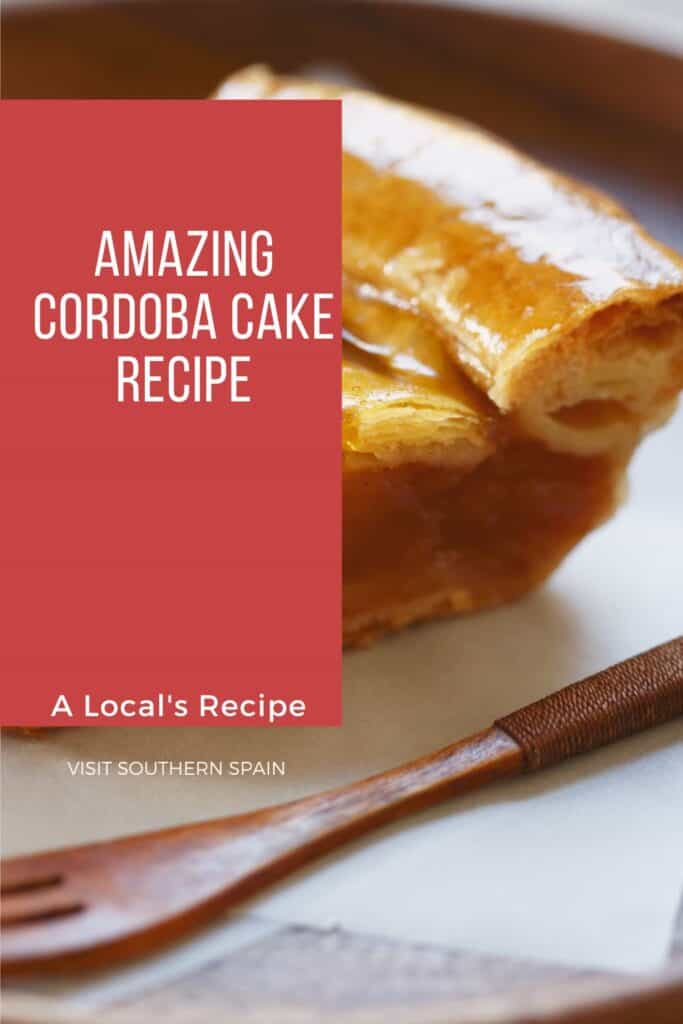
The most famous Spanish recipes worldwide may be the savory ones, which include potatoes, Serrano ham, and the beloved olive oil, but it’s key not to overlook the sweet gems of the region.
Among them, the Cordoba cake is a staple in the world of Spanish desserts, which, thanks to its autumnal flavors, has the potential to conquer the kitchens of the world.
If you want to learn how to make a Cordoba cake from scratch, then you’ve come to the right place: here we’ll also teach you how to serve it, store it, and customize it to your liking.
You, dear reader, support this blog. If you purchase through a link, we earn a small commission. As an Amazon Affiliate, we earn from qualifying purchases.
Pssst…!!?? You can’t get enough of Spanish dessert recipes? Have a look at my other posts:
Background of the Dish
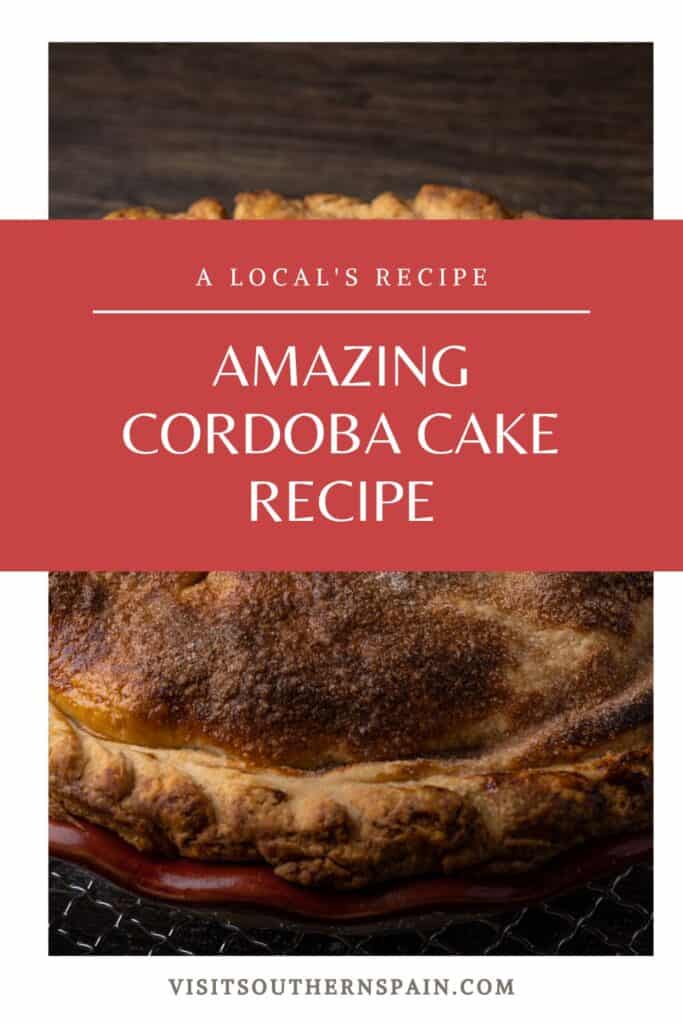
The history of the pastel cordobés, or Cordoba cake, is deeply connected to the city of Córdoba, in Andalusia, where it has long been considered one of its most emblematic desserts.
Its origins date back to the Andalusian period, when local pastry traditions were influenced by Arab recipes that used ingredients like pumpkin, honey, and delicate layers of dough.
Over time, this evolved into a puff pastry filled with cabello de ángel — a sweet jam made from a special gourd — and finished with sugar and cinnamon on top.
The result was the traditional pastel cordobés: a crisp, golden pastry with a soft, sweet filling, celebrated especially on October 24th for the Feast of San Rafael, the city’s patron saint.
Pin for later!
Things You’ll Need for Cordoba Cake
To prepare the Cordoba cake you will need flour, sugar, water, egg, angel hair (squash or pumpkin jam to replace) and cinnamon as the main ingredients.
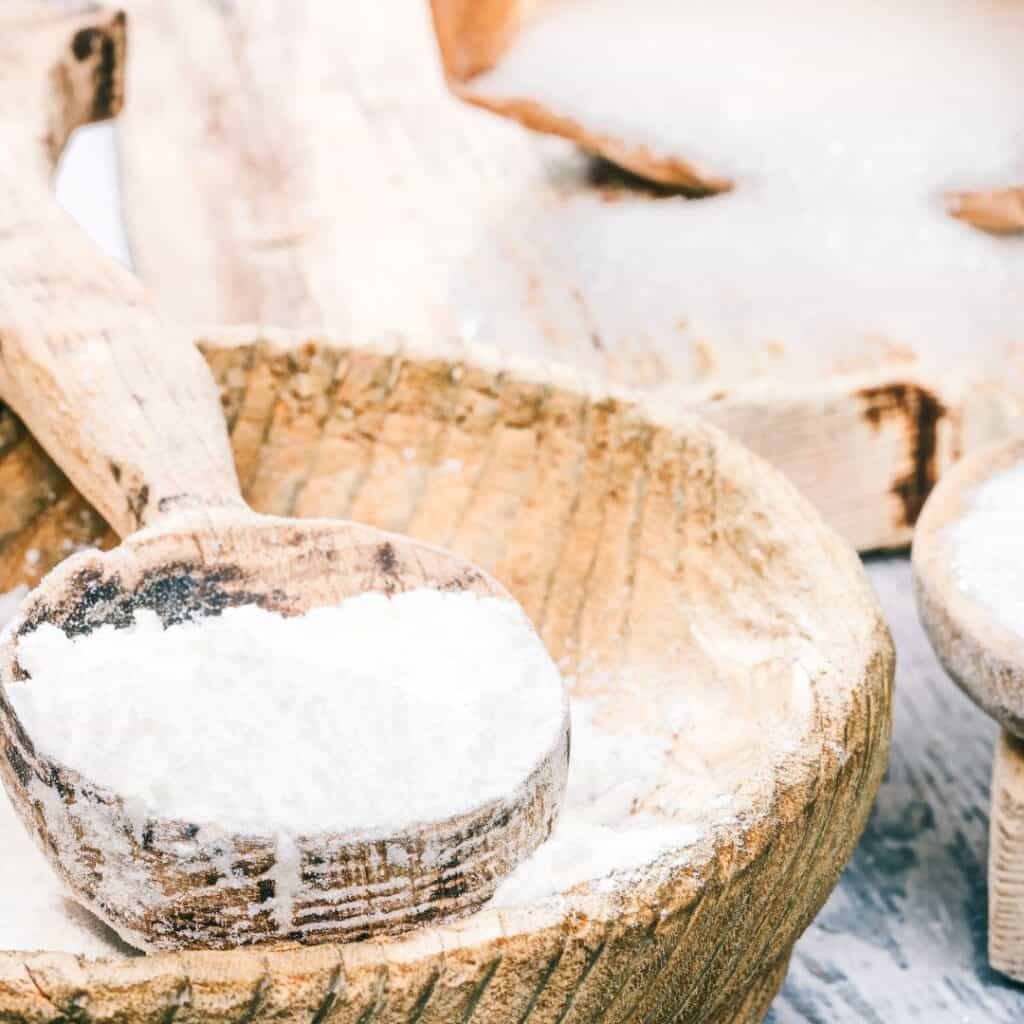
Ingredients
- 2 cups (250 g) all-purpose flour
- ⅓ cup + 1 tablespoon (100 g) water
- 3 ½ tablespoons (50 g) lard, at room temperature
- 2 teaspoons white wine vinegar
- 1 teaspoon salt
- 7 tablespoons (100 g) cold unsalted butter
- 1 ¼ cups (300 g) cabello de ángel (angel hair jam or pumpkin)
- 2 ½ tablespoons (30 g) white sugar
- 1 teaspoon ground cinnamon
- 1 egg
How to Make Cordoba Cake – Step by Step Guide
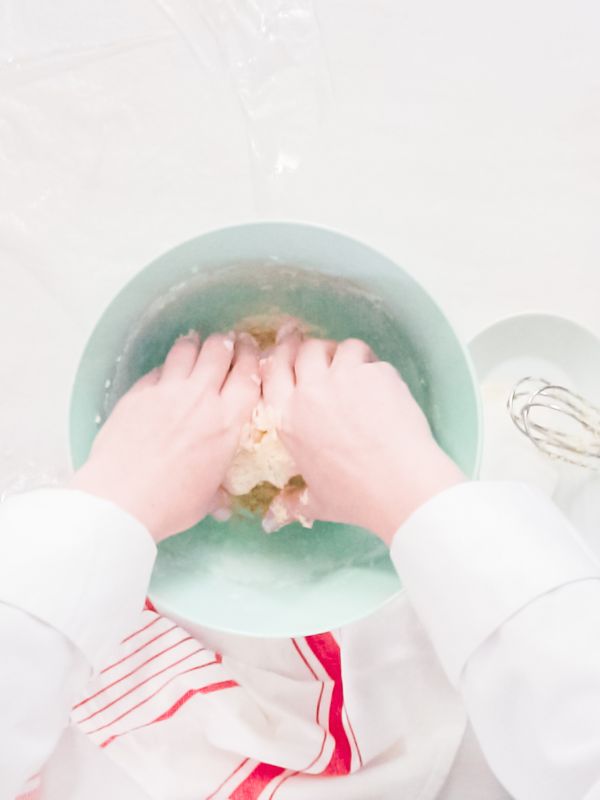
- For the first step in this authentic Córdoba cake recipe, you have to mix the flour with the water, lard, vinegar, and salt until you have a smooth dough. Mix just enough until incorporated; the texture and consistency will be adjusted later.
- Now, add the cold, unsalted butter, cut into cubes, to the dough. Mix it in with your fingers, trying to touch it as little as possible. If you’ve mixed in most of it and still have some pieces of butter, don’t worry; these will give it the desired texture after baking.
- After that, divide the dough into two equal balls and cover them with plastic wrap. Refrigerate for 30 minutes to an hour.
- In the meantime, line a baking sheet with parchment paper. During the last 15 minutes, preheat the oven to 180°C. If your oven doesn’t have a thermometer, then medium heat is fine for this easy Córdoba cake recipe.
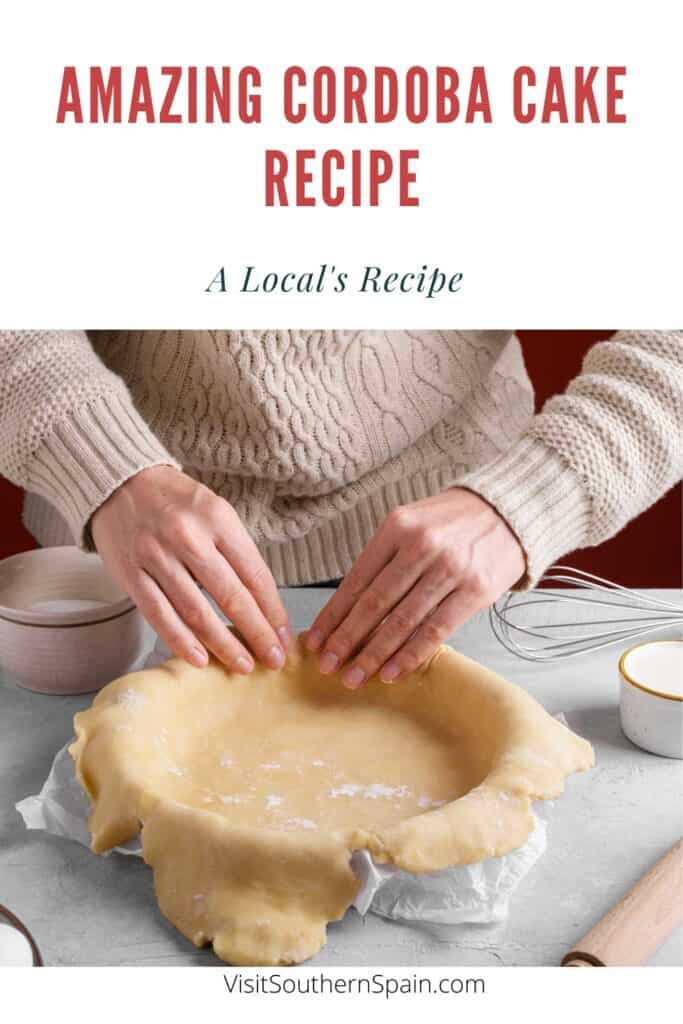
- Next, place the ball on a floured surface and roll the dough out with a rolling pin into a round shape about 30 cm in diameter. Repeat the same process with the second ball to create two pastry covers.
- To continue with the best Córdoba cake recipe, place the first pastry on the baking sheet. Fill it with angel hair, leaving about 2-3 cm (0.8-1.2 inches) uncovered at the edges.
- Then, place the second pastry on top. Press down with your fingers to make the edges meet, then fold them over, pinching them slightly to create the classic pleat. You can prick the edges with a fork for an easier seal to the Cordoba cake.
- After that, place the traditional Córdoba cake in the preheated oven and bake for 30 to 40 minutes, or until golden brown on the outside. While it’s baking, beat an egg.
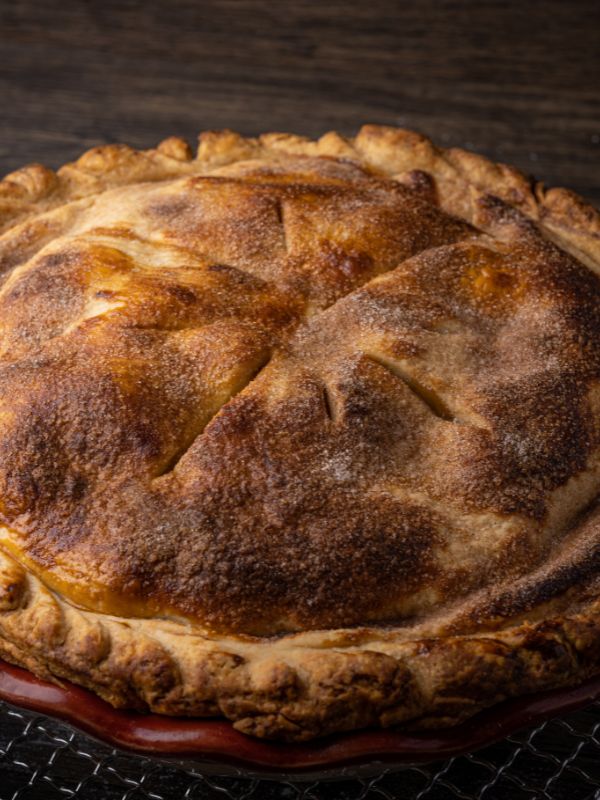
- Once that time has gone by, remove the Córdoba cake from the oven and brush it with the egg. Sprinkle the sugar and cinnamon powder on top, and bake for an additional 10 minutes to caramelize.
- To finish this Spanish Córdoba cake, remove it from the oven and let it cool completely. Then, it’s ready to serve and enjoy.
Substitution of Ingredients
Compared to other Spanish traditional cakes, like the Spanish milk cake or the pumpkin flan cake, the Cordoba cake is the one that lets you play more with the ingredients and flavour profiles.
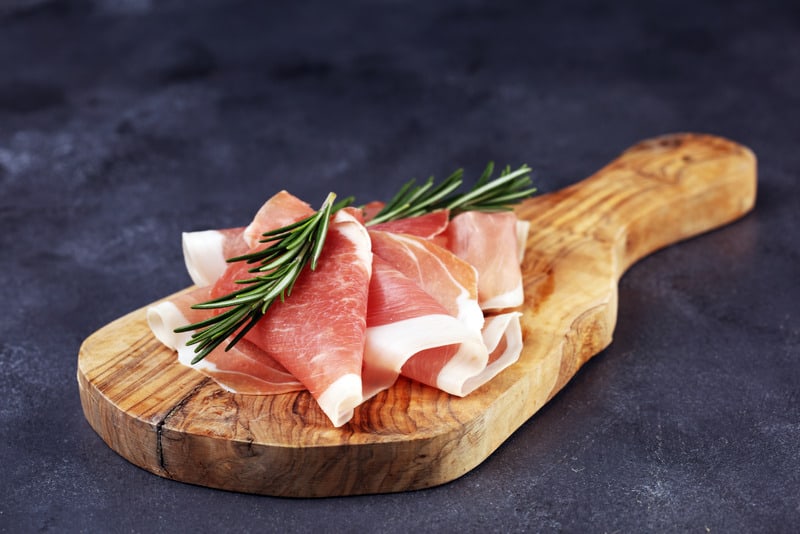
This typical dessert from Córdoba also has a less classic but equally delicious version, in which Serrano or Iberian ham is added to the filling, giving it a salty contrast that many Andalusian desserts do not have.
Another simpler option is to fill it with pumpkin puree or jam instead of angel hair, as it’s a similar version and is available in more places around the world.
Aside from that, you can add more texture to the Cordoba cake by incorporating chopped and toasted almonds, walnuts, or pecans into the filling.
They’ll soften slightly due to the moisture in the angel hair, but they’ll add their flavor and a soft crunch.
Ready to try the best Spanish cake recipes? Then check out our fantastic takes on churros cake, Spanish orange cake, and Spanish almond cake.
Tips on Serving Cordoba Cake
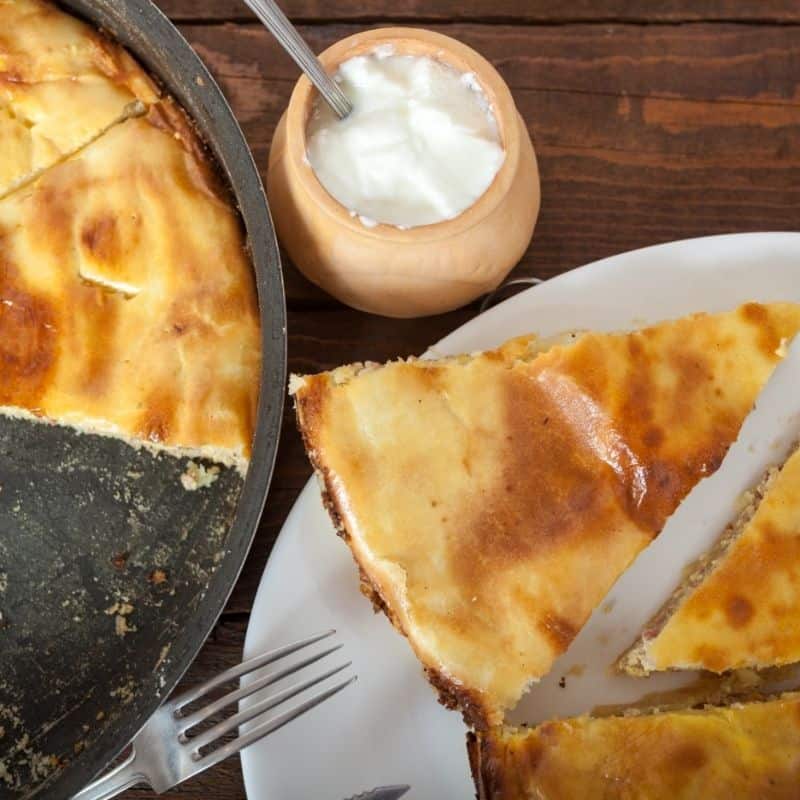
Something we love about desserts from southern Spain is that they’re not just served after lunch or dinner, but are a sweet treat for any time of day.
Cordoba cake is enjoyed year-round, but especially in October for the feast day of San Rafael, the patron saint of Cordoba, and is served with a glass of coffee or sweet wine.
It’s one of the regional Spanish cakes that sells the most during the fall, as angel hair (a type of squash jam) and cinnamon are characteristic flavors and ingredients of the season.
If coffee or wine isn’t your favorite beverage, you can pair this traditional cake with a good black tea, hot chocolate, or coffee with milk.
If you’re having a party, Cordoba cake can’t be missing from your table, along with other innovative desserts from Spain, such as churro cheesecake with strawberries, dulce de leche cupcakes, and churros cheesecake.
Try the latest recipes on our blog, the Spanish apple cake, lemon tart, and Spanish biscuit cake.
How to Store Cordoba Cake

The easiest way to store Cordoba cake is in an airtight container at room temperature, where it will last 2 to 3 days.
You can also store it the same way in the refrigerator, where it will last 5 days, but you’ll need to warm it for a few minutes before eating, or let it come to room temperature.
We’ll be the bearers of good news: Cordoba cake can also be stored frozen, where it will last up to 2 months. After that, you just need to defrost it and reheat it over low heat.
In addition to the traditional Spanish cakes from Córdoba, there are others you can make and save for later, such as the famous Spanish sponge cake and the timeless Spanish olive oil cake.
Recipe Card: Cordoba Cake
Simple Cordoba Cake Recipe
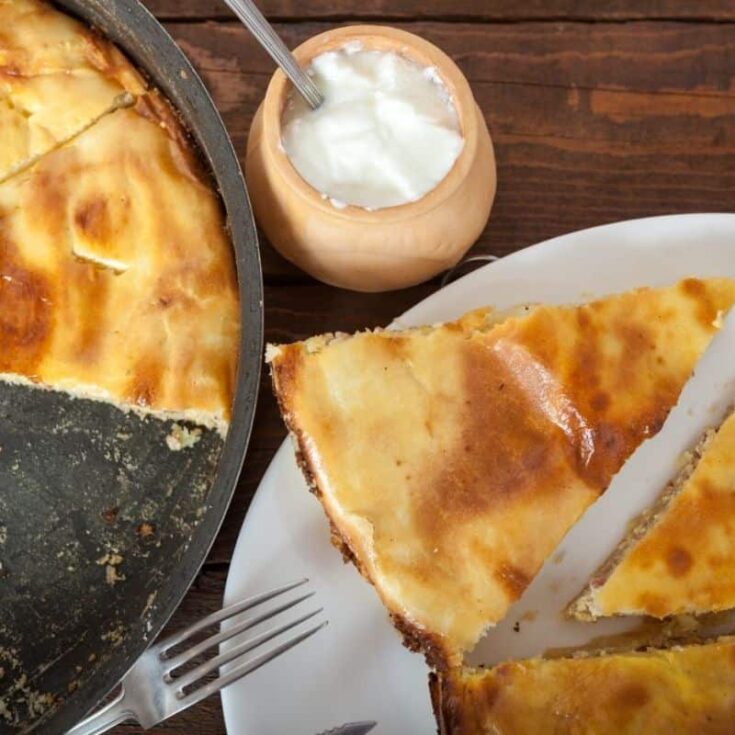
The most famous Spanish recipes worldwide may be the savory ones, which include potatoes, Serrano ham, and the beloved olive oil, but it's key not to overlook the sweet gems of the region.
Among them, the Cordoba cake is a staple in the pastry world of southern Spain, which, thanks to its autumnal flavors, has the potential to conquer the kitchens of the world.
If you want to learn how to make a Cordoba cake from scratch, then you've come to the right place: here we'll also teach you how to serve it, store it, and customize it to your liking.
Ingredients
- 2 cups (250 g) all-purpose flour
- ⅓ cup + 1 tablespoon (100 g) water
- 3 ½ tablespoons (50 g) lard, at room temperature
- 2 teaspoons white wine vinegar
- 1 teaspoon salt
- 7 tablespoons (100 g) cold unsalted butter
- 1 ¼ cups (300 g) cabello de ángel (angel hair jam or pumpkin)
- 2 ½ tablespoons (30 g) white sugar
- 1 teaspoon ground cinnamon
- 1 egg
Instructions
- Mix the flour with the water, lard, vinegar, and salt until you have a smooth dough. Mix just enough until everything is incorporated; the texture and consistency will be adjusted later.
- Add the cold, unsalted butter, cut into cubes, to the dough. Mix it in with your fingers, trying to touch it as little as possible, just until it's incorporated into the dough. If you've mixed in most of it and still have some lumps of butter, don't worry; these will give it the desired texture after baking.
- Divide the dough into two equal balls and cover them with plastic wrap. Refrigerate for 30 minutes to an hour.
- Meanwhile, line a baking sheet with parchment paper. During the last 15 minutes, preheat the oven to 180°C.
- Then, place the ball on a floured surface and roll the dough out with a rolling pin into a round shape about 30 cm in diameter. Repeat the same process with the second ball to create two pastry covers.
- Place the first pastry on the baking sheet. Fill it with angel hair, leaving about 2-3 cm (0.8-1.2 inches) uncovered at the edges.
- Put the second pastry on top. Press down with your fingers to make the edges meet, then fold them over, pinching them slightly to create the classic pleat. If it doesn't come out neatly and you want a nice presentation, you can prick the edges with a fork.
- Place the traditional Córdoba cake in the preheated oven and bake for 30 to 40 minutes, or until golden brown on the outside. While it's baking, beat an egg.
- After that time, remove the Córdoba cake from the oven and brush it with the egg. Sprinkle the sugar and cinnamon powder on top, and bake for an additional 10 minutes to caramelize.
- Remove from the oven and let it cool completely. Then, it's ready to serve and enjoy.
Notes
For those making this Córdoba cake recipe outside of Spain, the angel hair can be replaced with pumpkin puree, or cooked and mashed pumpkin with sugar or honey, as it's the best substitute for this squash jam.
Feel free to experiment with other spices, such as nutmeg, pumpkin spice, or allspice, to find the combination that suits you best.
Nutrition Information
Yield
12Serving Size
1Amount Per Serving Calories 253Total Fat 11gSaturated Fat 6gUnsaturated Fat 5gCholesterol 36mgSodium 242mgCarbohydrates 33gFiber 1gSugar 1gProtein 5g
All information presented and written are intended for informational purposes only. You should not rely on this information as a substitute for, nor does it replace, professional medical advice, diagnosis, or treatment. If you have any concerns or questions about your health, you should always consult with a physician or other health-care professional. The writers and publishers of visitsouthernspain.com are not nutritionists or registered dietitians. Statements within this site have not been evaluated or approved by the Food and Drug Administration.
Hola, I’m Paulina! Together with my team, we are passionate about Southern Spain. Here we share all you need to know for great times in Southern Spain with the best places to visit, stay and, of course, the best food to eat.
Let’s dive in and explore Southern Spain’s outdoors, food and culture con pasión!