
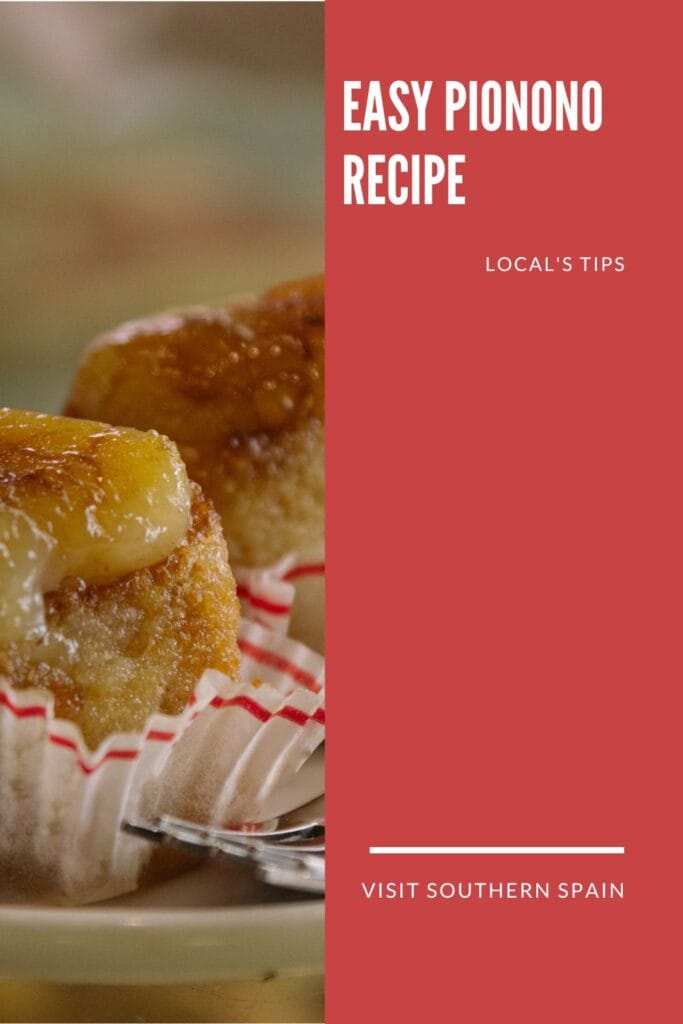
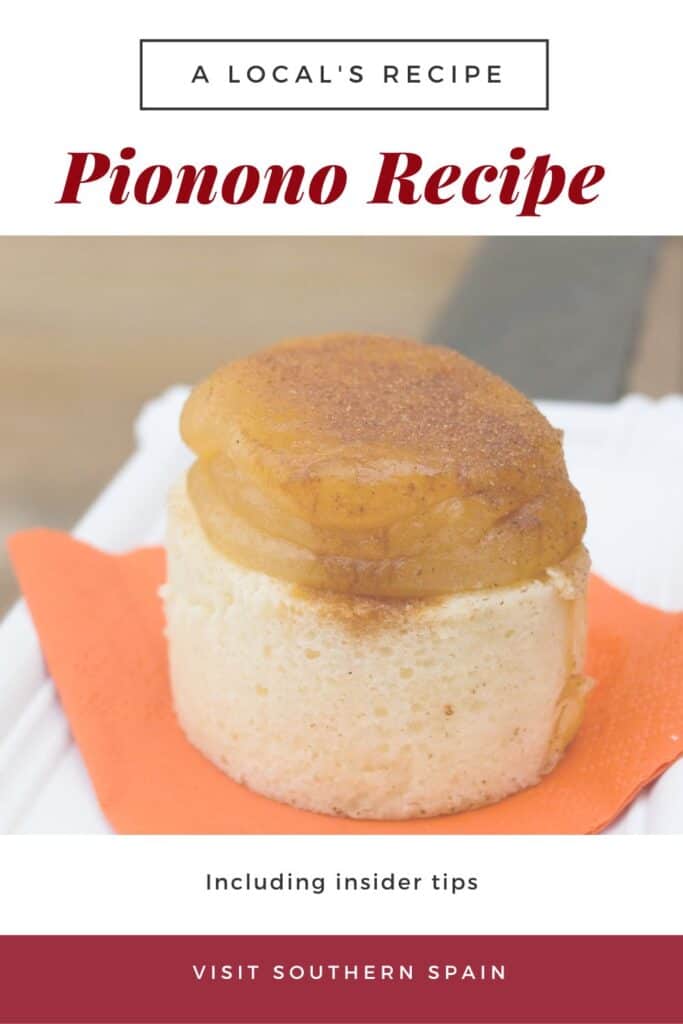
There are some Spanish recipes for desserts that carry the soul of a city within them, and pionono de Santa Fe is one of the best examples.
This little sweet bite, filled with cream and topped with a caramelized crown, is a symbol of Granada’s tradition and hospitality.
The good news? You don’t have to travel all the way to Andalucía to try it—you can easily learn how to make pionono at home and recreate a taste of Spanish heritage right in your kitchen.
Scroll down this article and discover the history of pionono dessert, tips for preparing it perfectly, and where to try the most authentic versions if you ever visit Granada.
You, dear reader, support this blog. If you purchase through a link, we earn a small commission. As an Amazon Affiliate, we earn from qualifying purchases.
Pssst…!!?? You can’t get enough of Spanish dessert recipes? Have a look at my other posts:
Background of the Dish
The history of pionono dessert begins in the small town of Santa Fe, just outside Granada, in the 19th century.
It was created by Ceferino Isla, a local pastry chef, to honor Pope Pius IX (known in Italian as “Pio Nono”).
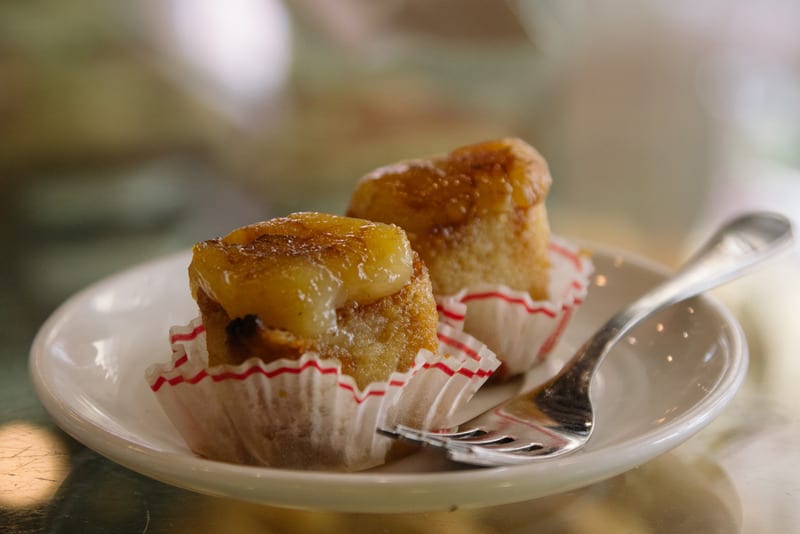
Its shape—small, cylindrical, and topped with a golden cream cap—was designed to resemble the papal mitre, making it both a culinary and symbolic tribute.
Over time, piononos became not just a religious homage but a beloved everyday treat.
Locals enjoy them during family celebrations, fiestas, and even as a sweet pairing to afternoon coffee.
Today, they are one of the most typical desserts from Granada, instantly recognizable for their delicate sponge roll, creamy filling, and caramelized top.
Pin for later!
Things You’ll Need for Pionono
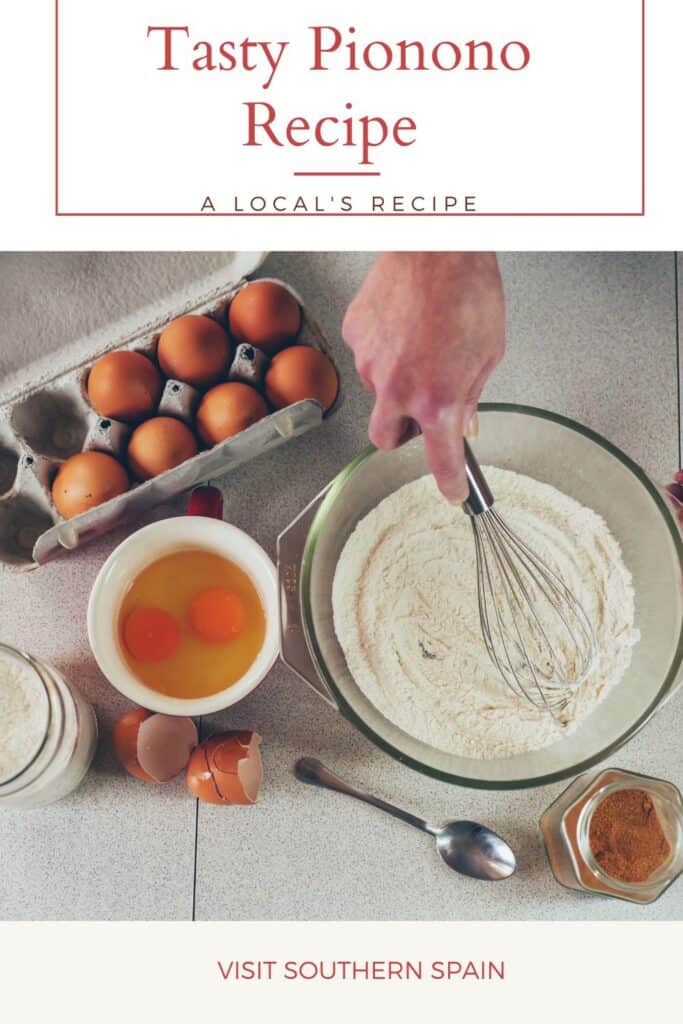
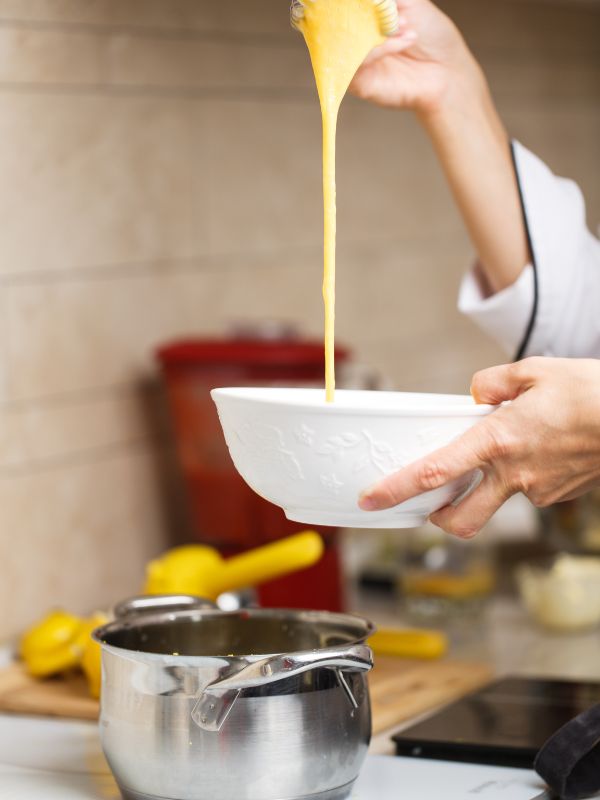
To prepare this pionono recipe, you will need flour, sugar, cornstarch, eggs, milk, and water as the main ingredients.
Ingredients
For the Pionono batter
- 4 large eggs
- 1/3 cup (80 g) white granulated sugar
- 1/2 cup (50 g) all-purpose flour
- 1/2 cup (50 g) cornstarch (maicena)
- 2 tablespoons (30 ml) whole milk
For the custard filling (yema pastelera)
- 6 egg yolks
- 1 1/2 cups (330 g) white granulated sugar
- 3/4 cup (180 ml) water, room temperature
- 3 tablespoons (30 g) cornstarch
For assembly and decoration
- Sugar for sprinkling
- Optional: small kitchen torch for toasting the sugar
How to Make Pionono – Step by Step Guide
- For the first step in this authentic pionono recipe, you just have to preheat the oven to 180°C (350°F).
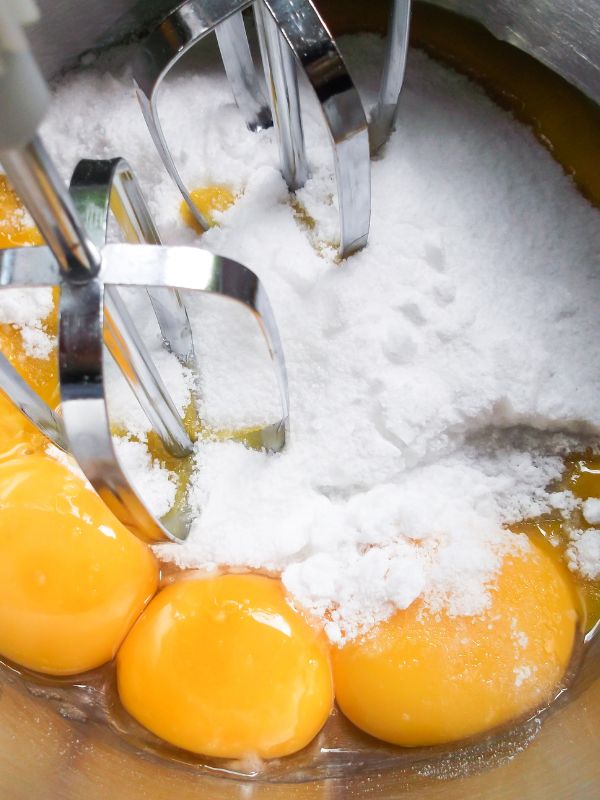
- After that, beat the eggs with the sugar until the mixture is foamy and begins to gain a whitish color.
- Then, sift the flour and cornstarch and add them to the mixture along with the milk, mixing gently. Sifting is key to guarantee a silky batter and avoid lumps.
- Now, you can pour the mixture into a baking tray lined with baking paper. If you don’t have baking paper, simply grease the pan with butter and dust it with a thin layer of flour.
- To continue with this recipe for piononos de Santa Fe, bake for 7–8 minutes, until lightly golden. After that, let it cool and cut into rectangles.
- As the pionono cools, prepare the egg yolk pastry cream. In a bowl, mix the egg yolks with the sugar and cornstarch.
- After that, add the water and cook over medium heat, stirring constantly until thickened. Remove from heat and let cool.
- Now is the time to assemble the dessert. First, place a pionono rectangle on a flat surface.
- Next, spread it with a thin layer of egg yolk pastry cream. Roll the pionono carefully to prevent the sponge cake from breaking and the cream filling from spilling out. Repeat the process with the other rectangles.
- To decorate, place the pionono Spanish cake in cupcake liners. If you don’t have paper cases, you can simply place them on a clean tray or serving platter.
- For the final step, sprinkle sugar on top. Use a kitchen blowtorch to toast the sugar, creating a light golden layer. Serve the pionono and enjoy.
Substitution of Ingredients
There are some changes you can make to this traditional pionono from Granada to adapt it to your tastes or what you have available at home.
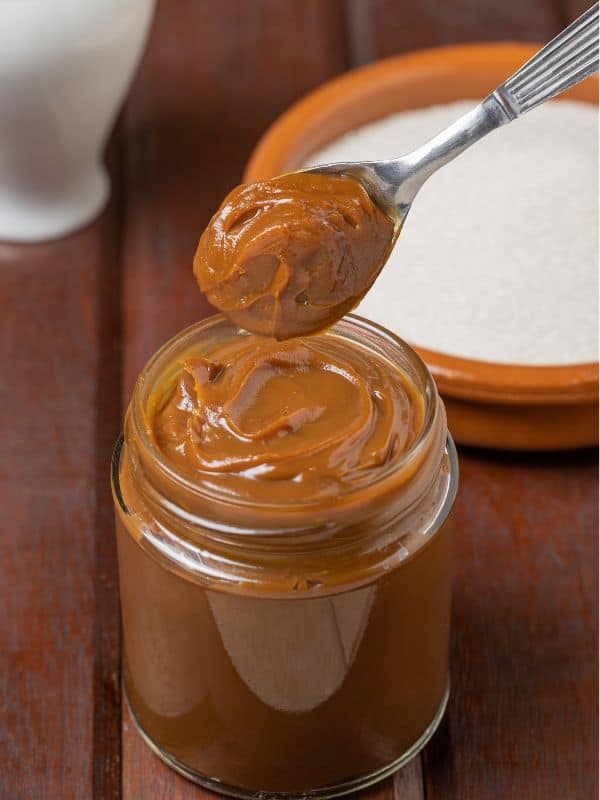
If you need to save time, you can buy a thick pastry cream to fill the pionono from Spain or dulce de leche (it needs to be thick enough to hold its shape).
Instead of dusting the pionono with powdered sugar, you can sprinkle it with cinnamon or cocoa to play with the flavors, although in this case, you don’t need to use a kitchen torch, as it won’t caramelize.
Have we awakened your sweet tooth yet?
We have more recipes for famous desserts in Andalusia for you to make at home and enjoy, such as the delicious Spanish magdalenas and the classic Spanish sugar cookies.
Tips on Serving Pionono
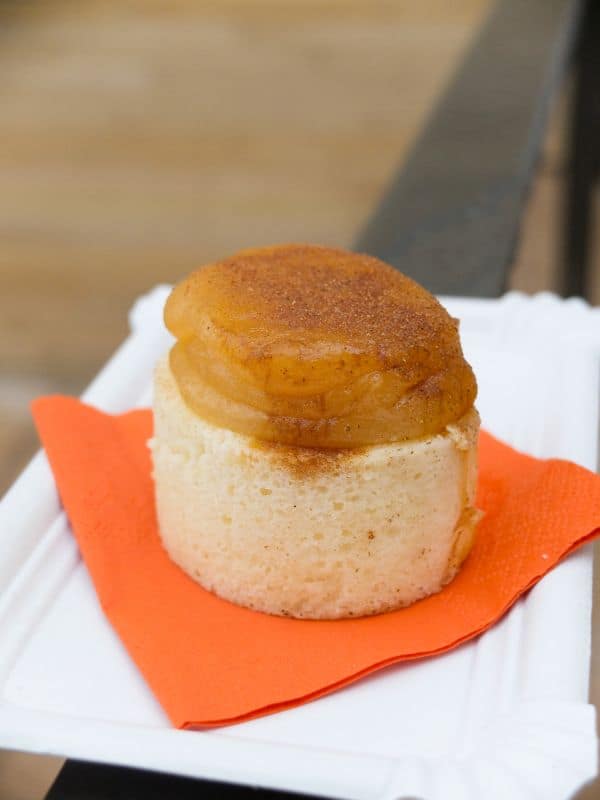
The Santa Fe pionono is traditionally served as a dessert, especially after lunch, with a strong cup of coffee to counteract the sweetness.
In southern Spain, it’s customary to serve it on special occasions, such as birthdays, weddings, and any type of celebration that brings together friends and family.
However, you don’t need to have a huge party to enjoy it: you can also serve it as an afternoon snack anytime, with tea or coffee with milk as the perfect beverage.
If you have guests coming over, you can make this dish with other sweets such as Spanish Orange Cake, Spanish custard tarts, and Rosquillas de Anís to offer more variety in flavors and textures.
How to Store Pionono
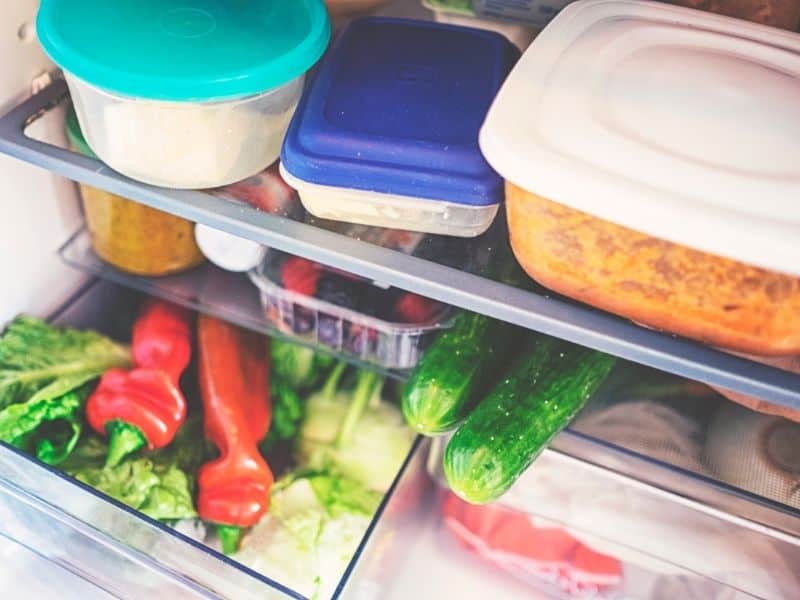
Unlike our standalone Spanish custard dessert recipe, this dish offers more storage options without compromising the texture or flavor of the custard.
The easiest way to store the Spanish cream roll is in an airtight container with a film separator on top if they are too close to the lid.
Then, store it in the refrigerator, where it can last up to 3 days.
Freezing is also possible, but only the roll, without the filling, as the custard can spoil. You can also store it in a covered container, where it will last up to 1 month.
If you store it in the refrigerator, take it out and let it cool for 15 minutes on the counter.
If you froze it, transfer it to the refrigerator the night before and fill and decorate it before serving.
Aside from the pionono dessert, other Spanish delicacies you can make and store include churros and fruit empanada recipe, both perfect for any time of year.
Recipe Card: Pionono
Delicious Pionono Recipe
There are some Spanish recipes for desserts that carry the soul of a city within them, and pionono de Santa Fe is one of the best examples.
This little sweet bite, filled with cream and topped with a caramelized crown, is a symbol of Granada’s tradition and hospitality.
The good news? You don’t have to travel all the way to Andalucía to try it—you can easily learn how to make pionono at home and recreate a taste of Spanish heritage right in your kitchen.
Scroll down this article and discover the history of pionono dessert, tips for preparing it perfectly, and where to try the most authentic versions if you ever visit Granada.
Ingredients
- 4 large eggs
- 100 g (1/2 cup) white granulated sugar
- 100 g (3/4 cup) all-purpose flour
- 1 pinch of salt
For the filling
- 200 g (3/4 cup) heavy cream (nata para montar)
- 50 g (1/4 cup) white granulated sugar
- 1 teaspoon vanilla extract
- Optional: jam, dulce de leche, fruits, or custard
For the pan
- Butter (to grease)
- Flour (to dust)
Instructions
- To start with the Granada pionono recipe, preheat the oven to 180°C (350°F).
- Beat the eggs with the sugar until the mixture is foamy and begins to turn white.
- Sift the flour and cornstarch and add them to the mixture along with the milk, mixing gently.
- Pour the mixture into a baking tray lined with baking paper. If you don't have baking paper, you can grease the pan with butter and a thin layer of flour.
- Bake for 7–8 minutes, until the Spanish pionono is lightly golden. After that, let it cool and cut into rectangles.
- While the pionono is cooling, prepare the egg yolk pastry cream. In a bowl, mix the egg yolks with the sugar and cornstarch.
- Add the water and cook over medium heat, stirring constantly until thickened. Remove from heat and let cool.
- To begin assembly, place a pionono rectangle on a flat surface.
- Spread it with a thin layer of egg yolk pastry cream. Roll the cake carefully to prevent the sponge cake from breaking and the cream filling from spilling out. Repeat the process with the other rectangles.
- To decorate, place the sponge cakes in cupcake liners. If you don't have paper cases, you can simply place them on a clean tray or serving platter.
- Sprinkle sugar on top. Use a kitchen blowtorch to toast the sugar, creating a light golden layer. Serve the pionono and enjoy.
Notes
You can avoid decorating the top of each roll, but in that case, we recommend making more precise cuts so the top of each roll still looks neat and precise.
If you don't have time to cut each roll into smaller versions, you can make this pionono de Granada as a long log and then cut it into portions.
Nutrition Information
Yield
8Serving Size
1Amount Per Serving Calories 242Total Fat 11.7gSaturated Fat 6.7gCholesterol 121mgSodium 61mgCarbohydrates 29.1gFiber 4.9gSugar 19.7gProtein 4.9g
All information presented and written are intended for informational purposes only. You should not rely on this information as a substitute for, nor does it replace, professional medical advice, diagnosis, or treatment. If you have any concerns or questions about your health, you should always consult with a physician or other health-care professional. The writers and publishers of visitsouthernspain.com are not nutritionists or registered dietitians. Statements within this site have not been evaluated or approved by the Food and Drug Administration.

Hola, I’m Paulina! Together with my team, we are passionate about Southern Spain. Here we share all you need to know for great times in Southern Spain with the best places to visit, stay and, of course, the best food to eat.
Let’s dive in and explore Southern Spain’s outdoors, food and culture con pasión!