
If there’s one thing meal preppers or those looking to enhance their cooking can’t be without, it’s jars of pickles in your pantry or fridge, ready to be used.
Spanish pickled cabbage is one of the best you can make, as with its crunchy texture and bright vinegar kick, it’s ideal as a standalone snack, a side dish, or even as a vibrant topping for grilled meats, sandwiches, and rice bowls.
Next, we’ll explore the roots of this colorful dish so you can make it from scratch, as well as the best tips for customizing the dish and learning how to eat pickled cabbage and serve it with other Spanish recipes.

You, dear reader, support this blog. If you purchase through a link, we earn a small commission. As an Amazon Affiliate, we earn from qualifying purchases.
Pssst…!!?? You can’t get enough of Spanish recipes? Have a look at my other posts:
Background of the Dish

This recipe has its origins in traditional Andalusian home kitchens, where seasonal vegetables were preserved using vinegar, herbs, and spices, both to reduce waste and to enhance flavor over time.
Cabbage, with its sturdy leaves and neutral base, became a favorite canvas for bold Spanish ingredients like smoked paprika and garlic.
Over the years, families across regions adapted the recipe with local twists.
Today, Spanish pickled cabbage is more than a preservation method; it’s a pantry staple that brings brightness, depth, and a bit of spice to everyday meals.
Pin for later!

Things You’ll Need for Spanish Pickled Cabbage
To prepare this delicious Spanish pickled cabbage recipe, you will need oil, vinegar, bell pepper, carrot, onion, garlic, and white cabbage -also known as green cabbage, depending on the region, or red.
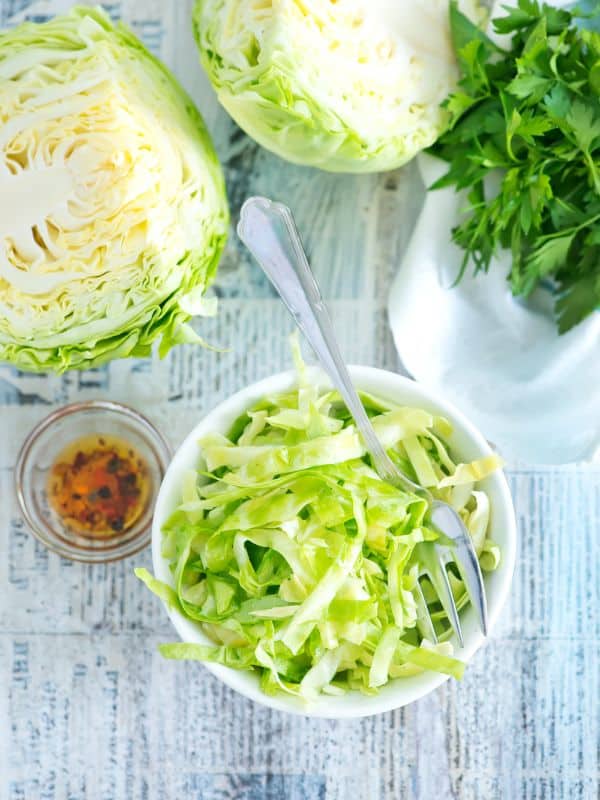
Ingredients
- 1.5kg cabbage
- 1 carrot
- 1 onion
- 1 red bell pepper
- 2 garlic cloves
- 1 tablespoon salt
- 5 tablespoons white granulated sugar
- 1 teaspoon smoked paprika
- 1/3 cup (80ml) white vinegar
- 1/4 cup (60ml) extra virgin olive oil
How to Make Spanish Pickled Cabbage – Step by Step Guide
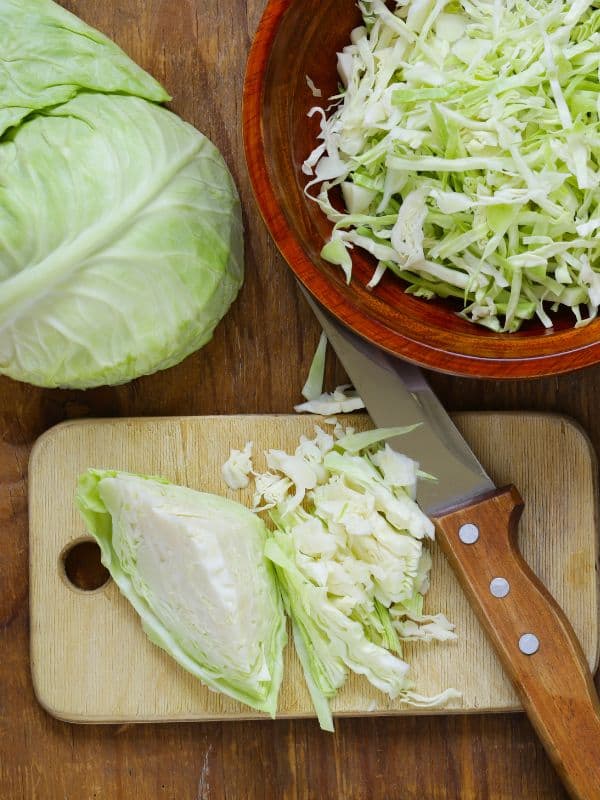
- To start making this Spanish cabbage recipe, wash and peel the vegetables. Using a mandoline, slice the cabbage, bell pepper, onion, and carrots into thin slices. You can do this with a sharp knife, but the mandoline will save you more time. Place the vegetables in a bowl.
- After that, peel and mince the garlic cloves. Place them in the bowl with the rest of the chopped vegetables.
- Now in that same bowl, add the sugar, salt, and smoked paprika. Stir with a spoon or spatula so that the vegetables get fully coated in them.
- To continue, add the vinegar and oil and continue mixing until everything is properly incorporated.
- For the final step, if you’re serving it soon, cover the bowl with plastic wrap and let it marinate in the refrigerator for at least 2 hours. If you plan to store it for longer, place the Spanish pickled cabbage in clean glass jars with a lid, where you can keep them in the refrigerator for up to 2 weeks.
Substitution of Ingredients
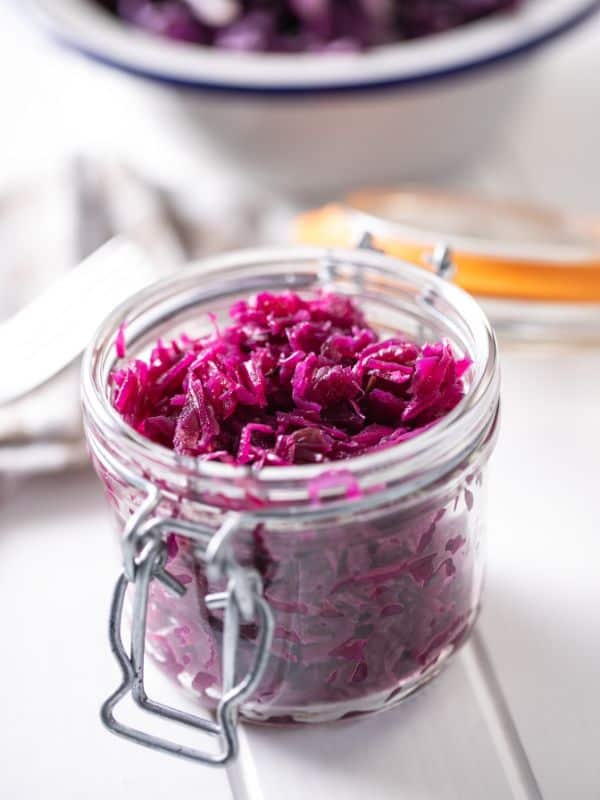
This Spanish pickled cabbage has a couple of key ingredients: cabbage, vinegar, oil, sugar, and salt. The others can be substituted with similar ingredients or left out if desired.
If you want to make this a spicy pickled cabbage recipe, it’s very easy to make; simply add a tablespoon of chili flakes and, in addition to the bell pepper, use a jalapeño.
Beyond that, you can choose to leave out the carrots, onions, and bell peppers, although we recommend doing so since it’s a classic Spanish version and adds more flavor than just the cabbage.
Finally, this Spanish pickled cabbage can be made with white vinegar or sherry vinegar, not darker vinegars like balsamic or red wine vinegar, as they overpower the rest of the flavors.
Tips on Serving Spanish Pickled Cabbage

You’re probably wondering what to do with pickled cabbage once it’s ready, and the answer is simple: it’s time to enjoy it.
The easiest way is to serve it as a topping for other dishes, such as sandwiches (sandwiches with cold cuts, meat, or chicken), tacos, or some people even use it as a side dish for their Spanish potato tortillas.
You can serve it as a topping for a Spanish red cabbage salad or a mixed green salad, although nothing beats the simplicity of a slice of your favorite bread and this pickle on top for the perfect tapa.
Want to have a spread of Andalusian pickles ready to serve for every occasion?
Then you should check out the popular recipe for Spanish pickled peppers, the timeless classic Spanish pickled onions, or the Spanish marinated olives.
How to Store Spanish Pickled Cabbage
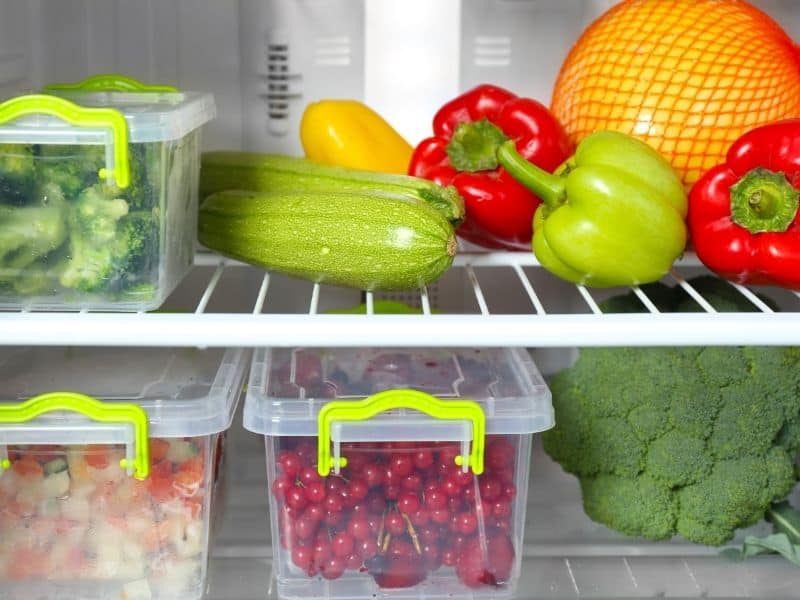
If you have storage space in your kitchen, Andalusian pickle recipes like Spanish pickled garlic, Spanish pickled carrots, and this one are perfect for you because if stored properly, they can last a long time.
To store Spanish pickled cabbage, you should place it in a clean, lidded glass jar (or other similar airtight container) and make sure the vegetables are always covered with brine.
If you notice it’s running low, you can add equal amounts of vinegar and oil, one tablespoon at a time.
That said, you can store the jar of pickled vegetables for up to 2 months in the refrigerator or 2 weeks at room temperature, as long as temperatures don’t get too hot.
Another tip that will help with storage is to always use clean utensils when removing the contents of the jar to avoid cross-contamination and ensure proper preservation.
Recipe Card: Spanish Pickled Cabbage
Spanish Pickled Cabbage Recipe
If there's one thing meal preppers or those looking to enhance their cooking can't be without, it's jars of pickles in your pantry or fridge, ready to be used.
Spanish pickled cabbage is one of the best you can make, as with its crunchy texture and bright vinegar kick, it's ideal as a standalone snack, a side dish, or even as a vibrant topping for grilled meats, sandwiches, and rice bowls.
Next, we'll explore the roots of this colorful dish so you can make it from scratch, as well as the best tips for customizing the dish and learning how to eat pickled cabbage.
Ingredients
- 1.5kg cabbage
- 1 carrot
- 1 onion
- 1 red bell pepper
- 2 garlic cloves
- 1 tablespoon salt
- 5 tablespoons white granulated sugar
- 1 teaspoon smoked paprika
- 1/3 cup (80ml) white vinegar
- 1/4 cup (60ml) extra virgin olive oil
Instructions
- Wash and peel the vegetables. Using a mandoline, slice the cabbage, bell pepper, onion, and carrots into thin slices. You can do this with a sharp knife, but the mandoline will speed up the process. Place the vegetables in a bowl.
- Peel and mince the garlic cloves. Place them in the bowl with the rest of the chopped vegetables.
- To that bowl, add the sugar, salt, and smoked paprika. Stir with a spoon or spatula.
- Add the vinegar and oil and continue mixing until everything is properly incorporated.
- If you're serving it soon, simply cover the bowl with plastic wrap and let it marinate in the refrigerator for at least 2 hours. If you plan to store it for longer, place the Spanish pickled cabbage in clean glass jars with a lid, where you can keep them in the refrigerator for up to 2 weeks.
Notes
For this Spanish pickled cabbage recipe, you can use red or white (also known as green in some countries) cabbage, as they absorb the brine better.
The carrots, onion, and bell pepper add a fantastic blend of colors and flavors to the dish, but you could remove them from the recipe if preferred.
If you don't have white vinegar, you can replace it with Sherry vinegar. We do not recommend red wine vinegar as its flavor and color tend to be overpowering.
Nutrition Information
Yield
8Serving Size
1Amount Per Serving Calories 90Total Fat 1gSaturated Fat 0gTrans Fat 0gUnsaturated Fat 0gCholesterol 0mgSodium 812mgCarbohydrates 21gFiber 4gSugar 14gProtein 3g
All information presented and written are intended for informational purposes only. You should not rely on this information as a substitute for, nor does it replace, professional medical advice, diagnosis, or treatment. If you have any concerns or questions about your health, you should always consult with a physician or other health-care professional. The writers and publishers of visitsouthernspain.com are not nutritionists or registered dietitians. Statements within this site have not been evaluated or approved by the Food and Drug Administration.



Hola, I’m Paulina! Together with my team, we are passionate about Southern Spain. Here we share all you need to know for great times in Southern Spain with the best places to visit, stay and, of course, the best food to eat.
Let’s dive in and explore Southern Spain’s outdoors, food and culture con pasión!